The Mental Health Access and Provider Support Act of 2026 increases Medicare reimbursement rates for mental health services to 85 percent of the physician fee schedule to improve patient access to care.
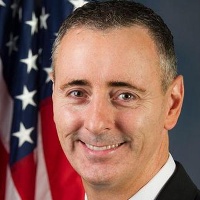
Brian Fitzpatrick
Representative
PA-1
The Mental Health Access and Provider Support Act of 2026 aims to improve patient access to care by increasing Medicare reimbursement rates for specific mental health services. Starting January 1, 2027, the payment rate for these services will rise from 75 percent to 85 percent of the physician fee schedule.
Medicare Mental Health Pay Bump: Reimbursement Rates Rise to 85% Starting in 2027.
The Mental Health Access and Provider Support Act of 2026 is a straightforward piece of legislation aimed at making it more financially viable for mental health professionals to treat Medicare patients. Specifically, the bill amends the Social Security Act to increase the payment rate for certain mental health services from the current 75 percent to 85 percent of the standard physician fee schedule. This 10-point jump is scheduled to kick in for services provided on or after January 1, 2027. By narrowing the gap between what psychologists are paid and what other medical doctors receive, the bill attempts to fix a long-standing math problem: many providers simply can't afford to take on Medicare's lower rates, leaving patients with fewer options.
Closing the Pay Gap
Think of this as a 10% raise for the people who handle mental health care for seniors and the disabled. Under the current rules, if a standard medical procedure pays a certain amount, a psychologist might only see 75% of that value. Section 2 of the bill changes that math, bumping the reimbursement up to 85%. For a therapist running a small private practice, that extra 10% per session can be the difference between breaking even and actually being able to keep the lights on while accepting Medicare. It’s a direct move to stop the 'brain drain' where mental health pros opt out of the Medicare system entirely in favor of private insurance or cash-pay clients.
More Seats at the Table
For the roughly 65 million people on Medicare, this isn't just about accounting; it’s about access. If you’ve ever tried to find a specialist who takes Medicare, you know the 'not accepting new patients' line is all too common. By increasing the payout, the bill aims to incentivize more providers to open their doors to Medicare beneficiaries. For a retiree in a rural area or a disabled worker on a fixed income, this could mean the difference between finding a local therapist and sitting on a six-month waiting list. While the federal government will be picking up a larger tab for these services, the goal is to shift the cost from emergency interventions to more sustainable, routine mental health support.