This bill mandates the Department of Veterans Affairs to adjust disability ratings by discounting the beneficial effects of treatment, while protecting compensation rights for treatment-related complications.
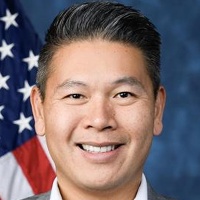
Derek Tran
Representative
CA-45
The Carlton H. Ingram Veterans’ Benefits Improvement Act mandates that the Department of Veterans Affairs (VA) adjust its disability rating schedule to assess a veteran's condition without factoring in the positive effects of medication or treatment. This ensures veterans are compensated based on their underlying disability level. Furthermore, the bill protects a veteran's right to seek compensation for any new disabilities or worsening of existing conditions directly caused by necessary treatments.
VA Disability Ratings Face Overhaul: Treatment Benefits Could Be Discounted
Alright, let's talk about something that could seriously impact a lot of veterans and their families: how the VA figures out disability ratings. This new piece of legislation, the Carlton H. Ingram Veterans’ Benefits Improvement Act, is looking to shake things up, and not necessarily in a good way for many folks.
The New Math for Your Benefits
Here’s the core of it: this bill says the Department of Veterans Affairs has to change its schedule for rating disabilities. Specifically, it wants the VA to "discount the beneficial effects of medication or treatment." (Section 2, Amends Section 1155 of title 38, United States Code). What does that actually mean? Well, imagine you're a veteran managing a service-connected condition with medication, and that medication helps you function better. Under this bill, the VA would have to assess your disability as if you weren't taking that medication. They'd look at what your condition would be without the treatment, provided they can establish that baseline.
Think about it this way: if a veteran with PTSD is managing their symptoms well with therapy and medication, the VA might now be instructed to rate their disability based on how severe their PTSD would be without those treatments. This could potentially lead to a lower disability rating and, consequently, less compensation. For a veteran relying on those monthly payments to cover bills, manage their household, or even just make ends meet, this isn't just a tweak; it's a potential hit to their financial stability.
A Double-Edged Sword for Compensation
Now, the bill does try to offer a bit of a safety net. It clarifies that this new rule doesn't stop a veteran from seeking compensation for new disabilities that pop up directly because of the medication or treatment itself, or if an existing condition gets worse due to that treatment (Section 2). So, if a medication for your service-connected diabetes gives you a new, unrelated side effect that becomes its own disability, you could still claim for that. Similarly, if a treatment for a knee injury somehow aggravates an old back issue, that could also be covered.
On paper, that sounds like a fair compromise. But let's be real: proving a new disability or an aggravation is directly from a specific treatment can be a long, complicated road. It adds another layer of paperwork and potential appeals for veterans who are already dealing with complex health issues. The primary concern remains that the initial disability rating, which forms the bedrock of most veterans' compensation, might be significantly reduced by this "discounting" rule.
Who Carries the Cost?
Ultimately, this change could shift the financial burden. The VA might save money by issuing lower disability ratings to veterans who are actively managing their conditions. But the cost isn't disappearing; it's potentially being pushed onto the veterans themselves. For someone who's diligently following their treatment plan and seeing positive results, this bill could penalize them for managing their health effectively. It raises questions about whether the system is truly designed to support veterans in their recovery and well-being, or if it's looking for ways to reduce payouts. It’s a move that could make life tougher for a lot of veterans who've already given so much.