The SPARK Act establishes Small Business Administration programs to provide grants, technical assistance, and financing support to incubators and accelerators serving entrepreneurs in underserved and economically distressed communities.
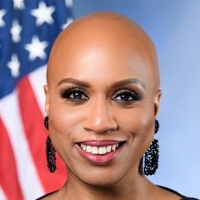
Ayanna Pressley
Representative
MA-7
The SPARK Act establishes the Inclusive Innovation Initiative and the Spark Program to provide grants and resources to business incubators and accelerators serving underrepresented entrepreneurs. By supporting organizations that assist women, veterans, rural residents, and socially or economically disadvantaged individuals, the bill aims to spur economic growth and increase access to capital in underserved communities. Additionally, the Act creates a financing program to provide targeted grants and low-interest loans to small businesses in areas of economic distress.
SPARK Act Ignites $50 Million Annual Boost for Small Businesses in Rural and Underserved Areas
The SPARK Act is a major legislative push to funnel federal resources directly into the hands of entrepreneurs who usually get overlooked by Wall Street. By establishing the Inclusive Innovation Initiative and the Spark Program, the bill authorizes $50 million annually through 2029 to fund business incubators and accelerators. These are the organizations that provide the 'secret sauce' for startups—mentorship, office space, and legal advice—specifically targeting women, veterans, rural residents, and socially or economically disadvantaged business owners. The goal is to move past the high failure rates often seen in underserved markets by providing a professional backbone for new companies.
More Than Just Advice
This isn't just a series of networking mixers. The bill creates a two-pronged support system. First, Section 4 establishes cooperative agreements where the SBA partners with local nonprofits, community colleges, or Tribal governments to provide one-on-one counseling and formal mentorship. For a veteran in a rural town trying to launch a logistics company or a coder in an 'economic distress' zone, this means access to a physical workspace and technical help with federal contracts without being charged a participation fee. The bill is specific about who qualifies: it focuses on 'HUBZones,' Promise Zones, and areas hit by natural disasters, ensuring the help goes where the local economy is actually struggling.
Putting Cash on the Table
Section 5 introduces the Spark Financing Program, which is where the rubber meets the road for funding. The SBA will provide grants to 'intermediary' organizations—like local community development funds—which then hand out the money to small businesses. If you’re a qualifying small business owner, you could see a direct grant of up to $20,000 for your project. For those needing larger sums, the bill pushes for loans with significantly lower interest rates and lower equity requirements than a traditional bank would demand. It’s designed to bridge the gap for owners who might have a solid business plan but lack the collateral to satisfy a standard lender.
Keeping the Receipts
Because this involves significant federal spending, the bill includes some 'trust but verify' measures. The SBA is required to track everything: how many jobs are created, the median wages of those jobs, and the total capital accessed by participants. There are also strict 'clawback' provisions in Section 6, meaning if an organization or business tries to game the system through fraud, the government has the legal teeth to take the money back. While the 25% matching fund requirement for grant recipients ensures local skin in the game, the Secretary of Commerce has the power to waive that for communities facing extreme economic hardship, making sure the poorest areas aren't locked out of the program before it even starts.