This Act reauthorizes and expands funding for programs to combat elder abuse, improve nursing home worker training, enhance Adult Protective Services, and address social isolation among older adults and adults with disabilities.
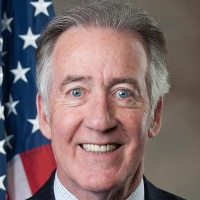
Richard Neal
Representative
MA-1
The Elder Justice Reauthorization and Modernization Act of 2026 reauthorizes and expands funding for critical programs aimed at preventing and investigating elder abuse, neglect, and exploitation. This legislation establishes new grant programs to boost nursing home worker training, enhance Adult Protective Services, and support medical-legal partnerships. Furthermore, it creates initiatives to address social isolation and loneliness among older adults and adults with disabilities.
Elder Justice Act Boosts Worker Training, Funds Abuse Prevention, and Tackles Social Isolation with $1.5 Billion through 2030
Alright, let's talk about something that hits close to home for a lot of us, whether we're caring for aging parents, working in healthcare, or just navigating the complexities of modern life. The Elder Justice Reauthorization and Modernization Act of 2026 is stepping up to the plate, aiming to inject some serious funding and structure into how we protect our older adults and folks with disabilities. This bill isn't just a rehash; it’s looking to expand and create new programs, pumping over $1.5 billion into these efforts between 2027 and 2030.
Bolstering the Front Lines: Nursing Home & Direct Care Workers
Ever wonder who's really taking care of our loved ones in nursing homes or at home? This bill recognizes that these direct care workers are the backbone of elder care and need some serious support. It amends Section 2041 of the Social Security Act to create a new grant program specifically for training nursing home and direct care workers. Think of it as a much-needed boost for a demanding job. States will get grants from 2027 through 2030, based on their share of the 65+ and disability population, with no state getting less than 0.25% of the total funds. Indian tribes and tribal organizations are also getting a piece of this pie, ensuring broader coverage.
What can this money actually do? The bill is pretty specific. It mandates states use funds for wage subsidies, tuition and licensing exam fees for those looking to get degrees or certifications, and help with childcare and transportation costs. Because let's be real, if you're working a demanding job, affordable childcare and a way to get there are huge. States may also use funds for emergency financial assistance, in-kind donations like interview clothing, help addressing arrest or conviction records that are employment barriers, and supporting employers who offer at least two weeks of paid leave annually. This isn’t just about training; it’s about making these essential jobs sustainable and attractive.
Strengthening the Safety Net: APS and Ombudsmen
When things go wrong, we need robust systems in place to catch those who fall through the cracks. This legislation significantly reauthorizes and expands funding for Adult Protective Services (APS) under Section 2042 of the Social Security Act. We're talking $500 million for each fiscal year from 2027 through 2030, and the language shifts so states are entitled to these funds, not just hoping the Secretary decides to award them. This means more consistent, reliable funding for states to investigate abuse, neglect, and exploitation. Indian tribes and tribal organizations are also now explicitly included in the APS grant program, reserving 2% of the total funding for them.
Additionally, the Long-Term Care Ombudsman Program, which advocates for residents in nursing homes and assisted living facilities, sees its funding reauthorized. Section 2043 of the Social Security Act earmarks $23 million for fiscal year 2027 and $30 million for 2028 and 2029 for ombudsman programs, plus another $30 million annually from 2027 through 2030 for ombudsman training. These are the folks on the ground, making sure residents’ rights are protected, and this funding helps them do their vital work.
Connecting the Dots: Medical-Legal Partnerships and Social Support
One of the more innovative pieces of this bill is the creation of new programs that acknowledge how interconnected our health, legal, and social needs are. Section 2047 of the Social Security Act introduces incentives for developing “Structural Competency in Health and Human Services.” This means within two years, the Secretary must establish a grant program for states to build Medical-Legal Partnerships. Imagine this: lawyers and social workers integrated directly into healthcare settings like community clinics or Area Agencies on Aging. Their job? To help older adults and people with disabilities navigate legal issues that often impact their health, like housing, benefits, or abuse. The bill also supports legal hotlines to identify folks who could benefit from these services. With $125 million appropriated annually from 2027 through 2030, this could be a game-changer for holistic support.
And let's not forget the silent epidemic of social isolation and loneliness. This bill directly tackles that, too, with a new grant and training program. $63 million is appropriated each year from 2027 through 2030 for grants to Area Agencies on Aging or community-based organizations. These groups will conduct outreach, develop community interventions, and connect at-risk individuals with social supports. The bill even formally defines “social isolation” (being objectively alone) and “loneliness” (subjectively feeling alone), showing a clear understanding of the issue. This is about building community and ensuring no one is left truly alone.
Keeping Tabs: Assessment and Oversight
Finally, this bill isn't just about throwing money at problems; it's about making sure that money is actually making a difference. Section 3 requires the Secretary of Health and Human Services to submit regular assessment reports to Congress, every two years, on programs designed to prevent and address abuse, neglect, and exploitation. These reports will include updates on independent evaluations of whether programs are improving access and quality of resources, along with recommendations for future funding and policy changes. To ensure these evaluations are solid, the bill amends Section 2023 of the Social Security Act to require the Office of Performance and Evaluation at the Administration for Community Living to conduct independent research and evaluation, adhering to principles of rigor, relevance, and transparency. A cool $10 million annually from 2027 through 2030 is set aside for this oversight. This means more transparency and accountability, ensuring that the programs are actually working for the people they're meant to serve.