This bill amends the Child Abuse Prevention and Treatment Act to establish dedicated funding allocations and distribution programs specifically for Indian Tribes and Tribal organizations.
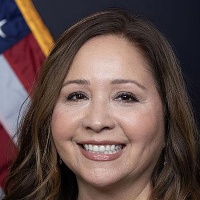
Adelita Grijalva
Representative
AZ-7
The AIAN CAPTA bill amends the Child Abuse Prevention and Treatment Act to ensure Indian Tribes and Tribal organizations receive dedicated federal funding for child abuse prevention and treatment. It establishes a formal allocation process, directing 5 percent of appropriated funds specifically to Tribal programs to better support their unique needs.
AIAN CAPTA Mandates 5% Funding Set-Aside for Tribal Child Abuse Prevention and Treatment
The AIAN Child Abuse Prevention and Treatment Act (AIAN CAPTA) updates federal law to ensure Indian Tribes and Tribal organizations aren’t left on the sidelines when it comes to child welfare funding. Specifically, the bill amends the Child Abuse Prevention and Treatment Act to carve out a dedicated 5 percent of total annual appropriations for Tribal communities. Previously, these groups often had to navigate complex administrative hurdles or compete with state-level budgets; this change makes them a primary recipient alongside states, ensuring that resources for family support and child safety reach Tribal lands directly.
Direct Access to Resources
Under Section 2 of the bill, the way the federal government slices the funding pie is getting a significant makeover. By amending Section 203 of the original law, the bill mandates that 5 percent of the funds go to Tribes and 1 percent goes to migrant programs. For a social worker or a community leader in a Tribal jurisdiction, this isn't just a paperwork change—it’s a shift toward predictable, direct funding. Instead of relying on pass-through money from state agencies, Tribal organizations will have their own dedicated stream to build out prevention programs, such as home visiting services or parenting workshops, tailored specifically to their community's cultural and logistical needs.
Leveling the Geographic Playing Field
The bill also updates Section 108(b) to officially include Indian Tribes and Tribal organizations in the 'geographical distribution' of funds. In plain English, this means the federal government is now legally required to ensure these funds are spread across Tribal lands just as they are across different states. For families living in remote or underserved Tribal areas, this could mean the difference between having a local child advocacy center or having to drive hours to the nearest state-run facility. By codifying this inclusion, the bill aims to close the gap in service availability that often exists between state-managed urban centers and sovereign Tribal nations.
Strengthening Local Oversight
By designating Tribes as direct recipients of these federal allotments, the legislation reinforces Tribal sovereignty in the realm of social services. This allows Tribal governments to implement child abuse prevention strategies that align with their own laws and traditions rather than being forced into a one-size-fits-all state model. For the average person in these communities, this means child welfare services are more likely to be managed by people who understand the local context and family structures. The bill moves the needle from a centralized state-down approach to a more localized, community-driven system of protection and support.