The Vets CLEAR Act improves the efficiency and transparency of the Department of Veterans Affairs Medical Care Collections Fund by streamlining revenue deposits and requiring regular oversight reports.
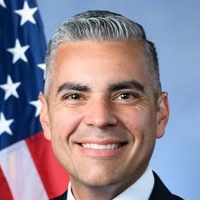
Juan Ciscomani
Representative
AZ-6
The Vets CLEAR Act streamlines the collection and management of funds for the Department of Veterans Affairs Medical Care Collections Fund. The bill grants the VA Secretary new flexibility in depositing reimbursements and mandates that specific recoveries from legal or administrative processes be directed into the fund. Additionally, it requires regular reporting to Congress to ensure transparency regarding how these recovered resources are utilized for veteran care and services.
Vets CLEAR Act Reroutes VA Medical Recoveries into Direct Care Funding Through 2028
The Vets CLEAR Act is essentially a legislative plumbing project for the Department of Veterans Affairs. Right now, when the VA wins a legal settlement or finishes an audit related to medical services, that money doesn't always flow directly back into the pot used for patient care. This bill changes the rules to ensure that any funds recovered through legal actions, investigations, or audits—specifically those involving medical care or medications—are deposited straight into the Medical Care Collections Fund (MCCF). By mandating these deposits under Section 2, the bill aims to keep money recovered from healthcare-related fraud or billing errors within the system that actually treats veterans, rather than letting it disappear into general government accounts.
Moving the Money Around
Beyond the mandatory legal recoveries, the bill gives the VA Secretary a new 'discretionary' power that lasts until September 30, 2028. This allows the Secretary to take reimbursements from sharing agreements—like when the VA coordinates care with other government agencies or private entities—and put them into the MCCF instead of the standard 'Medical Services' account. Think of it like a manager having the flexibility to move a refund from the company’s general overhead budget directly into the department that needs to hire more staff or buy new equipment. For a veteran waiting on a procedure, this could mean the local VA facility has more immediate access to funds that were previously tied up in different accounting buckets.
Keeping the Receipts
Because moving large sums of money between accounts can get messy, the bill includes a strict 'trust but verify' clause. The Comptroller General is required to audit these deposits and report back to Congress every 180 days. These reports aren't just high-level summaries; they must specifically detail where the money came from and, more importantly, exactly how the VA spent it—whether it went to staffing, specific medical services, or general facilities. For the average citizen, this provides a rare level of transparency into whether recovered legal funds are actually being used to shorten wait times or improve clinic quality as intended.
The 2028 Sunset and Beyond
This isn't a permanent blank check. The specific authority to move sharing-agreement reimbursements expires in late 2028, acting as a trial period to see if this flexibility actually improves VA operations. While the bill doesn't create new taxes or change who is eligible for care, it fundamentally alters the backend logistics of VA healthcare. By tightening the link between 'money recovered' and 'care delivered,' the legislation attempts to ensure that every dollar reclaimed from a legal dispute or an inter-agency agreement stays focused on the pharmacy counter and the exam room.