This bill requires Medicare to provide separate payments for certain high-cost cancer drugs in hospital outpatient departments rather than bundling them into a single service fee.
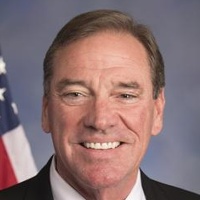
Neal Dunn
Representative
FL-2
The Facilitating Access to Innovation in Cancer Care (FAIC) Act mandates that Medicare provide separate payments for high-cost cancer drugs administered in hospital outpatient departments, rather than bundling them into general service fees. By establishing a specific cost threshold for these treatments, the bill aims to improve reimbursement accuracy for innovative cancer therapies. To maintain fiscal responsibility, the legislation requires that these payment adjustments remain budget-neutral within the outpatient system.
Medicare to Unbundle High-Cost Cancer Drugs: $350 Payment Threshold Starts in 2026
The FAIC Act changes the math for how Medicare pays hospitals for cancer care. Currently, when a patient goes to a hospital outpatient department for cancer treatment, Medicare often pays the hospital a single 'bundled' amount meant to cover everything from the staff's time to the drugs used. This bill changes that by requiring Medicare to pay for expensive cancer drugs separately from the rest of the visit. To qualify for this separate check, a drug must be FDA-approved after 2008 and have an average daily cost of at least $350 starting in 2026. This is a significant shift in how the government handles high-tech medical billing, moving away from flat-fee packages toward a more itemized approach for oncology.
The $350 Line in the Sand
Under Section 2, the bill creates a specific price floor. If a cancer drug costs a hospital more than $350 a day to provide, it gets pulled out of the general bundle and paid for based on its Average Sales Price (ASP). For a patient receiving a cutting-edge immunotherapy, this means the hospital isn't stuck trying to cover a $5,000 drug with a $2,000 bundled payment. While this might encourage hospitals to offer the latest treatments without fear of losing money, the $350 threshold isn't static; it will rise every year after 2026 based on inflation factors, ensuring the 'expensive' label keeps up with the economy.
Robbing Peter to Pay Paul
There is a major catch hidden in the 'Budget Neutrality' requirement of the bill. The law mandates that the total amount Medicare spends on outpatient services cannot increase because of this change. To pay more for these high-cost cancer drugs, the Secretary of Health and Human Services must cut payment rates for other outpatient services. Imagine a hospital as a household budget: if you decide to spend more on a premium car payment, you have to cut back on groceries or utilities to keep the total spending the same. In this case, a boost in funding for oncology could lead to lower reimbursements for things like routine diagnostic tests, physical therapy, or minor surgeries.
Real-World Trade-offs
For a patient fighting cancer, this bill could be a win, potentially making it easier for their local hospital to stock and provide the newest, most expensive medications. However, for someone else visiting that same hospital for a non-cancer procedure—like a colonoscopy or a steroid injection for back pain—the impact might be different. If Medicare trims the payments for those 'standard' services to balance the books, hospitals might face tighter margins on everyday care. This creates a zero-sum game where the advancement of innovative cancer treatment is funded by tightening the belt on other essential medical services across the board.