This bill amends the Civil Rights Act of 1964 to classify the implementation of Sharia law by public accommodations as a form of religious discrimination.
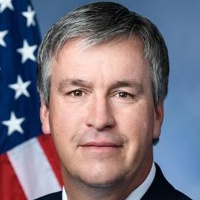
Barry Moore
Representative
AL-1
The "Defeat Sharia Law in America Act" amends the Civil Rights Act of 1964 to classify the implementation of Sharia law within public accommodations as a form of religious discrimination. This legislation aims to prohibit businesses and covered establishments from enforcing Sharia-based practices under federal law.
Proposed Civil Rights Amendment Redefines Religious Practice as Discrimination for Businesses
This bill, titled the Defeat Sharia Law in America Act, seeks to fundamentally change how the Civil Rights Act of 1964 applies to private businesses and public spaces. Specifically, Section 2 of the bill amends existing law to state that any 'covered establishment'—think restaurants, hotels, or theaters—that provides services or goods by 'implementing Sharia law' is legally considered to be engaging in discrimination or segregation on the basis of religion. By linking the internal use of religious principles to illegal discriminatory behavior, the bill moves beyond regulating how customers are treated and begins regulating the religious frameworks businesses use to operate.
The Definition Dilemma One of the most significant hurdles in this legislation is the lack of a clear definition for what 'implementing Sharia law' actually means in a legal sense. In the real world, this vagueness creates a massive gray area for business owners and employees alike. For example, a small halal grocery store that follows specific religious dietary guidelines or a community center that offers faith-based financial counseling could find themselves in a legal crosshair. Because the bill doesn't specify which actions constitute 'implementation,' a business owner might not know if they are breaking the law simply by following their faith’s tenets in their daily operations, leaving them vulnerable to lawsuits and federal oversight based on subjective interpretations of their religious practices.
Legal Ripples and Main Street Impacts The impact of this change would likely be felt most acutely by Muslim business owners and religious organizations, but the legal precedent it sets is much broader. Under current civil rights law, the focus is generally on ensuring that customers aren't turned away because of who they are. This bill shifts that focus, suggesting that the way a business operates—if tied to this specific religious tradition—is inherently discriminatory. For a tech startup or a construction firm that uses religious ethics to guide their contracts or employee benefits, this creates a high-stakes environment where any practice perceived as Sharia-compliant could trigger a civil rights investigation. This could lead to a surge in litigation, as the bill provides a new legal pathway for individuals to sue establishments based on the establishment's religious affiliation rather than a specific instance of being denied service.
Constitutional Collisions By targeting a specific religious legal tradition, the bill sets up a direct conflict with the First Amendment’s protection of the free exercise of religion. Usually, the government has to stay neutral regarding religious practices unless there is a compelling reason to intervene. This legislation specifically singles out one faith's tradition, which could have long-term implications for how other religious groups operate their own private institutions. If the government can label one set of religious principles as 'discriminatory' by default, it opens the door for similar labels to be applied to other faiths down the line. For everyday people, this means that the legal boundary between private religious expression and public business regulation is becoming significantly more blurred and potentially more litigious.