The Keep Innovators in America Act amends student visa regulations to expand practical training opportunities and allow F-1 students to maintain their status while pursuing permanent residency.
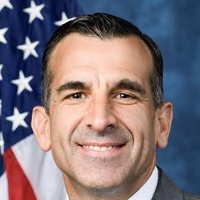
Sam Liccardo
Representative
CA-16
The "Keep Innovators in America Act" aims to retain international talent by expanding practical training and employment authorization for F-1 students. Additionally, the bill allows these students to maintain their legal status while awaiting the processing of certain immigration petitions.
Keep Innovators in America Act: New Rules Allow F-1 Students to Work and Pursue Residency Simultaneously
The Keep Innovators in America Act is looking to overhaul the way international students bridge the gap between the classroom and the workforce. Under current rules, F-1 students often face a high-wire act: they have to prove they don't intend to stay in the U.S. permanently while simultaneously trying to build a career here. This bill changes the game by explicitly allowing practical training and employment to be part of their course of study. More importantly, Section 2 allows these students to keep their legal status even if they have a pending or approved petition for permanent residency. This effectively removes the 'dual intent' hurdle that has historically forced many talented graduates to leave the country because their paperwork was stuck in a backlog.
The Career Bridge
For a software engineer graduating from a state tech program or a specialized researcher at a lab, this bill means their job isn't just a side gig—it’s a legal part of their education. The legislation grants the Secretary of Homeland Security the power to set the specific terms for this employment, provided it relates to the student's field of study. This is a big deal for U.S. businesses, from small startups to massive tech firms, who often lose trained talent to international competitors simply because a student’s visa expired before their green card application could be processed. By allowing students to work after completing their degree requirements while their petitions are pending, the bill creates a more stable pipeline for high-skilled labor.
Navigating the Fine Print
While the bill is a major win for stability, it does hand a lot of power to the Department of Homeland Security. Section 2 gives the Secretary broad authority to define the 'terms and conditions' of employment authorization. For the average person, this means the actual experience of staying in the U.S. will depend heavily on the specific regulations written by the DHS later on, rather than just the text of the bill itself. It’s a bit like being told you’re allowed to drive, but the DHS gets to decide the speed limit and the rules of the road after you’ve already bought the car. However, for the thousands of students currently juggling mid-career shifts and immigration paperwork, the ability to maintain status during the petition process provides a much-needed safety net against administrative delays.