The SECURE Health Act establishes a comprehensive U.S. strategy to strengthen, expand, and sustain the global health workforce through improved coordination, dedicated leadership, and increased accountability in international health investments.
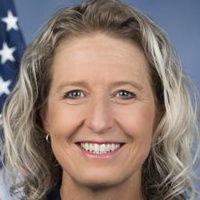
Jennifer Kiggans
Representative
VA-2
The SECURE Health Act aims to strengthen the global health workforce by establishing a comprehensive strategy to train, support, and protect frontline health workers worldwide. The bill creates a new Global Health Workforce Coordinator and an interagency task force to oversee federal investments and ensure sustainable, integrated funding for global health initiatives. By addressing critical staffing shortages, this legislation seeks to improve international health outcomes, enhance global security, and bolster the stability of the U.S. healthcare system.
SECURE Health Act Targets Global Medical Shortages: 5-Year Strategy to Boost Health Workforce and Protect U.S. Supply Chains
The SECURE Health Act is a strategic move to overhaul how the U.S. supports healthcare workers around the world. Recognizing that 18% of our own healthcare workforce is made up of immigrants and that global health stability directly impacts our economy, the bill mandates a 5-year Global Health Workforce Strategy. This isn’t just a general plan; it requires the President to appoint a dedicated Global Health Workforce Coordinator at the State Department and sets up a National Security Council task force to make sure every dollar of U.S. humanitarian aid is actually building long-term medical capacity rather than just providing temporary fixes.
Beyond the Band-Aid Approach
Historically, global health aid has often been 'siloed'—meaning money might go specifically to fight one disease like Malaria while the local clinic lacks the basic staff to treat anything else. Under Section 3, the bill shifts this toward 'integrated investments.' This means if you’re a health worker in a developing nation, U.S. funding will now focus on your entire role—training, equipment, and a sustainable salary—rather than just a single task. For the average person here at home, this is about preventing the next pandemic at the source and keeping global trade routes open by ensuring other countries aren't destabilized by preventable health crises.
Protecting the Frontlines
The bill gets surprisingly specific about the dangers health workers face, noting that thousands have been killed in conflict zones since 2020. Section 7 requires the government to report exactly how U.S. funds are being used to provide 'protection measures,' including safe working conditions and labor standards. It’s a bit like an OSHA for global aid. Whether you’re a software engineer or a construction worker, you know that a job without safety or a reliable paycheck doesn't stay filled for long. By requiring recipient organizations to eventually transition these salaries to their own local budgets (Section 3), the bill aims to ensure these medical jobs don’t disappear the moment U.S. interests shift.
Tracking the ROI
For those who care about where tax dollars go, Section 7 and 8 introduce heavy-duty reporting. Every year, the President must provide a breakdown of direct versus indirect support and differentiate between disease-specific and integrated funding. There’s also a push for an independent global report every two years—outside of the UN or typical donor circles—to see if these investments are actually hitting the projected ninefold economic return. It’s a data-driven approach designed to turn global health from a series of emergency responses into a stable, professionalized infrastructure that protects both international lives and American interests.