The Stop Pills That Kill Act mandates a comprehensive federal strategy to combat the distribution of counterfeit fentanyl and methamphetamine, including enhanced enforcement, public awareness, and annual reporting to Congress.
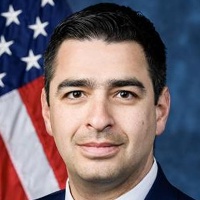
Gabe Evans
Representative
CO-8
The "Stop Pills That Kill Act" aims to combat the distribution of counterfeit fentanyl and methamphetamine by restricting the interstate shipment of related drug paraphernalia. The legislation mandates the creation of a comprehensive DEA response plan, including targeted youth prevention strategies and public awareness audits. Additionally, it requires the Attorney General to submit annual reports to Congress detailing federal enforcement efforts, seizures, and prosecution data regarding these dangerous substances.
Stop Pills That Kill Act Targets Counterfeit Fentanyl with New DEA Mandates and Shipping Bans
The Stop Pills That Kill Act is a direct swing at the rise of counterfeit pills that look like legitimate prescriptions but are actually laced with fentanyl or methamphetamine. This bill formally defines these 'counterfeit substances' as any drug containing fentanyl or meth that is marketed or labeled with a fake brand name or trademark. Beyond just naming the problem, the legislation amends the Controlled Substances Act to make it illegal to use the mail or any interstate delivery system to send drug paraphernalia if you have reason to believe it will be used with these specific counterfeit drugs. This is a move to cut off the logistics chain for those manufacturing and distributing fake pills across state lines.
Mapping the Counter-Strike
Within 180 days of this bill becoming law, the DEA Administrator is required to roll out a comprehensive operation and response plan. This isn't just a general strategy; it must include specific tactics for federal law enforcement to seize these substances and a dedicated push for education and prevention. For example, if you are a parent or an educator, you might see more targeted campaigns in schools, as the bill specifically requires the DEA to tailor its prevention efforts toward youth and teen access. It also mandates an audit of existing programs like 'One Pill Can Kill' to see if they are actually working or if they need a total redesign to better reach people in the digital age.
Tracking the Data Trail
To keep things transparent, the Attorney General has to start filing annual reports to Congress one year after the bill starts. These reports will pull back the curtain on exactly how much counterfeit fentanyl and meth is being seized, where it’s being found, and how many of those seizures were in pill form. For someone working in public health or local law enforcement, this data could be a goldmine for understanding where the highest risks are located. The report will also track convictions and sentences, giving the public a clear look at how the Justice Department is handling these cases in court.
Real-World Accountability
While the bill is high on strategy, it puts a lot of power in the hands of the DEA to define what their 'comprehensive plan' looks like. For a small business owner in the shipping or logistics space, the new rules on drug paraphernalia mean being more vigilant about what’s moving through your systems to avoid legal headaches. The focus here is clearly on the supply side—hitting the traffickers and the tools they use—while trying to use data and audits to ensure the government’s public awareness campaigns aren't just expensive noise, but are actually saving lives in communities hit hardest by the synthetic drug crisis.