The Breakfast After the Bell Act of 2026 provides schools with an additional 10-cent reimbursement for every breakfast served after the start of the school day to help increase student participation.
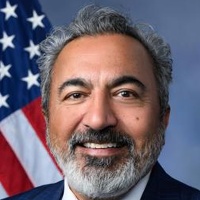
Ami Bera
Representative
CA-6
The Breakfast After the Bell Act of 2026 incentivizes schools to increase student participation in breakfast programs by providing an additional 10-cent reimbursement for every meal served after the school day begins. This funding supports flexible service models, such as classroom delivery or kiosks, in schools serving high-need student populations. The legislation ensures that these additional funds are distributed directly to the schools providing the meals.
Breakfast After the Bell Act of 2026: Schools to Receive Extra 10-Cent Reimbursement for Meals Served After First Period
The Breakfast After the Bell Act of 2026 aims to fix a common morning problem: kids missing the most important meal of the day because they can't get to the cafeteria before the first bell rings. Starting in 2026, the federal government will offer schools an extra 10 cents for every breakfast served after the official start of the school day. This isn't just a generic handout; it’s a targeted incentive designed to move breakfast from the early-morning cafeteria rush into the flow of the actual school day through models like 'breakfast in the classroom' or grab-and-go kiosks.
Fueling the Morning Rush
To qualify for this extra dime per meal, schools have to meet specific criteria that target high-need areas. Under Section 2, a school is eligible if at least 40 percent of its students were 'identified students' (meaning they qualify for free meals via programs like SNAP or Medicaid) in the previous year, or if the school already operates under certain federal special assistance programs. The bill is specific about how this money moves: state agencies can't sit on these funds. Once they receive the 10-cent reimbursement, they are required to pass it directly to the individual school that served the meal, ensuring the money actually helps cover the costs of the food and the distribution labor.
Classrooms as Dining Rooms
This legislation focuses heavily on 'service models' that are proven to boost participation. Instead of hoping a student arrives 20 minutes early to sit in a quiet cafeteria, the bill encourages schools to use kiosks in the hallways or deliver meals directly to desks. For a busy parent who might be rushing to drop off kids before a shift starts at 8:00 AM, this means their child doesn't have to choose between being on time for class and having a meal. For teachers and administrators, the extra 10 cents helps offset the logistical hurdles of managing food in the classroom, like extra trash bags or the staff time needed to manage a hallway kiosk.
The Logistics of Implementation
While the bill is straightforward, the real-world test will be in how states define what 'increases participation.' Section 2 gives state educational agencies the power to determine which service models qualify. This means a school in one state might get the extra funding for a hallway cart, while a school in another state might have to implement full 'breakfast in the classroom' to see the cash. Because the reimbursement is tied to breakfasts served after the start of the day, schools will likely need to adjust their internal tracking to prove exactly when those milk cartons and granola bars were handed out to ensure they get every cent they’re owed.