The STOP RGGI Act prohibits states from imposing charges to fund the Regional Greenhouse Gas Initiative Energy Efficiency Program.
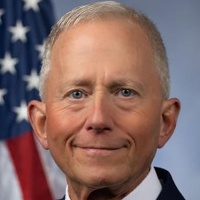
Jefferson Van Drew
Representative
NJ-2
The STOP RGGI Act (Stop Taxing Our Power Act) prohibits states from imposing charges or taxes to fund the Regional Greenhouse Gas Initiative (RGGI) Energy Efficiency Program. This legislation aims to eliminate state-level financial mandates associated with the initiative.
STOP RGGI Act Bans State-Level Charges for Regional Energy Efficiency Programs: A Federal Block on Local Carbon Funding.
The 'Stop Taxing Our Power' (STOP) RGGI Act is a direct federal intervention into how states manage their own energy bills and environmental goals. Specifically, Section 2 of the bill prohibits any state from imposing a charge or fee to fund the Regional Greenhouse Gas Initiative (RGGI) Energy Efficiency Program. For those unfamiliar, RGGI is a cooperative effort among several states to cap and reduce CO2 emissions from the power sector. By cutting off the ability to collect these funds, the bill effectively starves the financial engine behind regional energy efficiency projects and carbon reduction efforts.
Unplugging State Initiatives
This bill represents a significant shift in power from state capitals to Washington. If you live in a state that currently uses RGGI funds to weatherize older homes or provide rebates for energy-efficient appliances, those programs would likely face a sudden budget vacuum. For a small business owner in a participating state, this could mean the end of state-subsidized energy audits or grants that help lower monthly overhead. The bill is remarkably concise at only two sections, leaving no room for states to opt-in or create workarounds for these specific energy efficiency charges.
The Cost-Shift Calculation
On the surface, the immediate impact for a utility customer might look like a small reduction in the 'surcharge' or 'public benefits' section of their monthly power bill. However, the trade-off is a loss of the long-term savings generated by the efficiency programs those fees fund. For a family living in a drafty apartment, the removal of these state-funded efficiency programs could mean higher heating and cooling costs that far outweigh the few cents saved on the initial fee. By stripping away the funding mechanism, the bill essentially bets that keeping the base price of power slightly lower is more important than investing in technology that reduces how much power we need to use in the first place.
Federal Preemption and Local Impact
This legislation sets a firm precedent for federal preemption of state fiscal policy regarding the environment. State environmental agencies would be the first to feel the squeeze, as they would have to either find new, non-charge-based revenue sources or dismantle their carbon reduction staff and projects. For the average person, this means the local control over how your state handles its 'green' transition is being overridden by a federal mandate. Whether you view these state charges as a necessary investment or an annoying tax, the STOP RGGI Act ensures that the choice is no longer up to your local representatives.