The No Lifeline for the Dead Act mandates federal eligibility verification, requires proof of citizenship or qualified alien status, and necessitates a Social Security number for all Lifeline program participants.
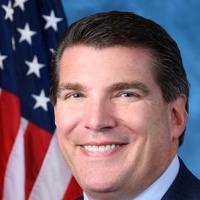
Jay Obernolte
Representative
CA-23
The "No Lifeline for the Dead Act" mandates stricter federal oversight for the Lifeline program by requiring all applicants to undergo verification through centralized national databases. The bill also introduces new eligibility criteria, requiring participants to provide a Social Security number and prove their status as a U.S. citizen or qualified alien. Additionally, it mandates a re-verification process for existing enrollees to ensure program integrity and compliance with these new standards.
No Lifeline for the Dead Act Mandates Social Security Numbers and Federal Database Checks for Phone Discounts
The federal Lifeline program, which provides monthly discounts on phone and internet service for low-income households, is facing a major overhaul of its entry requirements. Under this bill, the Federal Communications Commission (FCC) must implement a strict 'federal-only' verification system within 120 days of enactment. This means states can no longer use their own local systems to confirm if someone is eligible for help; instead, everyone must be vetted through the National Lifeline Eligibility Verifier and the National Lifeline Accountability Database. Additionally, the bill introduces two hard requirements for anyone seeking assistance: you must be a U.S. citizen or a 'qualified alien' and you must provide a Social Security number to sign up.
The Great Re-Verification Sweep
One of the most immediate impacts of this bill is a mandatory audit of current users. Within 180 days, the FCC is required to re-examine every single person currently enrolled in Lifeline who was signed up using state or alternative systems rather than the federal database. If that re-check finds a user ineligible under the new rules—or if the federal system simply can't verify them—their assistance will be cut off. For a senior citizen who has relied on a discounted landline for years but was originally enrolled through a state-level social service agency, this could mean a sudden loss of service if they cannot navigate the new federal paperwork requirements or provide the necessary documentation within the six-month window.
New Barriers to Connection
By mandating the use of a Social Security number (SSN) and specific citizenship status under Section 2, the bill creates a stricter gatekeeping process. While the goal is to ensure funds go to those who meet federal standards, these requirements can be a high hurdle for vulnerable populations. For example, a legal resident who has lost their physical Social Security card or an elderly individual who doesn't have easy access to their birth certificate may find themselves locked out of a program they technically qualify for. This shift moves the program away from a 'need-based' model toward a more rigid 'documentation-based' model, where having the right paperwork is just as important as having a low income.
Centralizing the Controls
This legislation effectively strips states of their ability to manage their own low-income telecommunications registries. By requiring the FCC to use only the National Lifeline Eligibility Verifier, the bill aims to eliminate discrepancies between different databases and reduce potential fraud. However, the trade-off is a less flexible system. If the federal database has an error or a lag in updating a person’s status, there is no longer a state-level alternative to correct the record. For a working family trying to stay connected for job interviews or school assignments, an administrative glitch in a centralized federal database could mean the difference between staying online and being disconnected.