The Shall Not Be Infringed Act of 2026 conditions federal law enforcement funding on a state or local government's willingness to face civil liability for damages occurring within designated "gun-free zones."
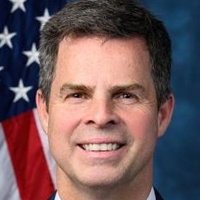
John McGuire
Representative
VA-5
The Shall Not Be Infringed Act of 2026 mandates that state and local governments allow civil lawsuits against them if a person is harmed by a firearm within a designated "gun-free zone." To remain eligible for federal Byrne-JAG and COPS law enforcement grants, jurisdictions must permit individuals authorized to carry firearms to sue for damages if they could have averted harm in such zones. Failure to comply with these requirements will result in a reduction of up to 99 percent of federal grant funding.
Shall Not Be Infringed Act Mandates Liability for Gun-Free Zones: Local Governments Face 99% Funding Cut for Non-Compliance
The Shall Not Be Infringed Act of 2026 introduces a massive shift in how local safety is managed by tying federal law enforcement grants to the elimination of 'gun-free zones.' Under this bill, any state or city that receives federal Byrne-JAG or COPS funding must allow individuals to carry firearms in public areas. If a local government chooses to keep a gun-free zone—whether that’s a local park, a government building, or a public plaza—and someone is harmed by a firearm in that zone, the government becomes legally liable. The bill specifically allows victims to sue for compensatory damages and pain and suffering, provided they were legally authorized to carry a gun and can argue that being armed would have 'averted or lessened' the harm. To ensure compliance, the federal government would slash up to 99 percent of a jurisdiction's law enforcement grants if they refuse to adopt these policies.
The Price of a 'Gun-Free' Label
For local police departments and sheriff’s offices, this bill creates a high-stakes financial ultimatum. The Byrne-JAG and COPS programs are the lifeblood of many local agencies, funding everything from body cameras and new cruisers to community policing initiatives. By threatening a 99% reduction in these funds (SEC. 2 and SEC. 3), the bill effectively forces local officials to choose between their public safety grants and their ability to restrict firearms in sensitive public spaces. If your local town hall or community center currently prohibits firearms, the city council would have to weigh the risk of a massive budget hole against the risk of new civil lawsuits. This isn't just a policy debate; it’s a potential total restructuring of local law enforcement budgets across the country.
Suing the City: The 'What If' Clause
One of the most complex parts of this bill is the new pathway for lawsuits. SEC. 2(a) establishes that a person can sue a local government if they are harmed in a gun-free zone, but the criteria are notably speculative. A plaintiff must show they 'could have averted or lessened the harm' if they had been carrying their own weapon. In the real world, this is a legal gray area. Imagine a scenario where a licensed carrier is injured during a robbery in a restricted public building; under this bill, that individual could sue the city, claiming the injury wouldn't have happened if the 'gun-free' sign wasn't there. This places a heavy burden on local taxpayers to cover legal defenses and potential settlements for incidents that are inherently unpredictable.
Ripple Effects for Local Communities
The impact of this legislation would be felt differently depending on where you live. In states that already have broad carry laws, the transition might be seamless. However, in cities or states that prefer to maintain firearm-free zones in areas like hospitals or municipal offices, the pressure will be intense. Beyond the funding cuts, the bill notes that any withheld money will be reallocated to states that do comply. This creates a system where 'compliant' states get a financial bonus at the expense of those trying to maintain local restrictions. For the average citizen, this could mean seeing more firearms in public spaces or, conversely, seeing a sharp decline in local police resources if their city leaders decide to stand their ground against the federal mandate.