The Kids in Classes Act requires school districts receiving Title I funds to provide direct payments to parents for educational expenses if schools fail to offer in-person instruction during public health emergencies or labor strikes.
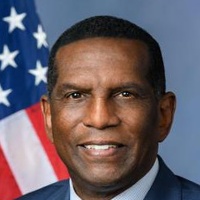
Clarence "Burgess" Owens
Representative
UT-4
The Kids in Classes Act requires school districts receiving federal Title I funds to provide direct payments to parents if their child’s school fails to offer in-person instruction for more than three days due to a public health emergency or labor action. These funds are intended to cover qualified educational expenses, such as tutoring, private school tuition, or instructional materials, to mitigate learning loss. The legislation aims to protect students in low-income communities from the disproportionate academic and economic impacts of extended school closures.
Kids in Classes Act Mandates Direct Payments to Parents if Public Schools Close for More Than 3 Days
The Kids in Classes Act introduces a significant shift in how federal education money is handled when school doors stay locked. Under this proposal, if a public school receiving Title I funds—federal money specifically earmarked for low-income students—fails to offer in-person instruction for more than three days in a school year, the district must pivot. If that closure is triggered by a public health emergency or a teacher strike, the district is required to activate a "failure to open direct payment plan." This plan effectively bypasses the school administration and puts a portion of federal funding directly into the hands of parents to pay for alternative education options.
The Daily Rate for Disruption
The bill outlines a specific math problem for school districts. To figure out how much a parent gets, the district takes its total Title I funding, divides it by the number of students, and then divides that by the number of school days in a year. This "daily rate" is then multiplied by every day the school remains closed. For a parent, this could mean receiving a daily deposit or payment to cover things like private school tuition, tutoring, or even diagnostic tools for students with disabilities. For example, if a local elementary school closes for a week due to a contract dispute with the teachers' union, a parent could use that week’s worth of federal funding to pay for a private learning center or new curriculum materials to keep their child on track (Section 3).
Receipts and Red Tape
While getting a direct payment sounds straightforward, the bill adds a layer of homework for parents and a mountain of paperwork for school districts. Parents must provide receipts proving the money was spent on "qualified educational expenses," which range from textbooks to educational therapies. If the money isn't spent or the receipts don't match up, the funds must be returned within 30 days of the school reopening. This creates a massive administrative lift for school districts that are already navigating a crisis, as they would need to manage thousands of individual transactions and audits simultaneously while trying to get their classrooms back in order.
Shifting the Balance of Power
By specifically naming "collective bargaining action" as a trigger for these payments, the bill changes the stakes of labor negotiations. In the real world, this means if teachers go on strike for better pay or smaller class sizes, the school district immediately begins losing its federal Title I budget to private tutors and outside schools. This provision could significantly weaken the leverage of teachers' unions, as the financial penalty for a strike becomes immediate and automated. Meanwhile, students who rely on the school for more than just a desk—like those who count on centralized services, school meals, or specialized on-site equipment—might find that the remaining school budget is spread thinner once the direct payments are subtracted from the top.