This Act directs the placement of a statue honoring civil rights leader Clarence Mitchell, Jr. in the United States Capitol.
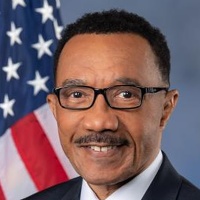
Kweisi Mfume
Representative
MD-7
The Clarence Mitchell, Jr. Statue Act directs the Joint Committee of Congress on the Library to commission and install a statue of the renowned civil rights leader within the United States Capitol. This legislation honors Mitchell’s historic advocacy, including his instrumental role in securing the passage of landmark civil rights and voting rights acts.
Capitol to Commission Statue of Civil Rights Leader Clarence Mitchell, Jr. Within Two Years
The Clarence Mitchell, Jr. Statue Act moves to permanently honor a man often called the '101st Senator' for his relentless work behind the scenes of the civil rights movement. The bill directs the Joint Committee of Congress on the Library to commission a statue of Mitchell and place it in a permanent public spot within the U.S. Capitol. This isn't just a vague suggestion; the bill sets a firm deadline, requiring an agreement to obtain the statue be signed within two years of the law’s enactment. Funding for the project will be appropriated by Congress, with the Architect of the Capitol authorized to handle the actual contracts and logistics (Sec. 3).
A Monument to the '101st Senator'
For most of us, the laws that shape our daily lives—like the Civil Rights Act of 1964 or the Voting Rights Act of 1965—feel like permanent fixtures of American history. This bill highlights the specific person who spent decades in the halls of power making them happen. Mitchell wasn't an elected official; he was a lawyer and journalist who testified before Congress at least 180 times (Sec. 2). By placing his likeness in the Capitol, the bill formally recognizes that the people who lobby for change from the outside are just as central to our democracy as the politicians who cast the votes. For visitors walking through the Statuary Hall, it adds a layer of history that includes the advocates who pushed for fair housing and voting access.
Logistics and the Public Purse
When it comes to implementation, the bill keeps things straightforward. It gives the Joint Committee the green light to use federal funds to pay for the artistry and installation (Sec. 3). Because the bill specifies that funds 'remain available until expended,' the project won't be derailed if the artistic process takes a bit longer than one budget cycle. For the average citizen, this means a small portion of the federal budget is being carved out for a permanent cultural upgrade to the Capitol. While the bill doesn't specify the exact dollar amount—leaving that to the appropriations process—it provides the legal framework to ensure the Architect of the Capitol can hire the right professionals to get the job done right.