The Dream’s Caregiver Health and Wellness Act establishes a $250 million annual grant program for nonprofits to provide essential wellness, mental health, and support services to caregivers.
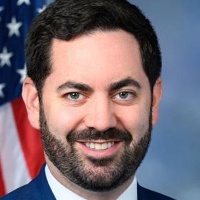
Michael Lawler
Representative
NY-17
The Dream’s Caregiver Health and Wellness Act establishes a $250 million annual grant program to support the mental health and well-being of caregivers for seniors and individuals with disabilities. By funding nonprofit organizations, the act aims to reduce caregiver burnout, improve retention, and provide essential services such as mental health support, transportation, and meals.
Dream’s Caregiver Act Proposes $250 Million Annual Fund to Fight Burnout with Meals, Rides, and Mental Health Support Starting in 2027.
If you’ve ever spent your weekend navigating insurance calls for an aging parent or your evenings helping a friend with a chronic illness, you know that caregiving isn't just a role—it’s an exhausting second job. The Dream’s Caregiver Health and Wellness Act aims to throw a lifeline to those doing the heavy lifting. Starting in fiscal year 2027, the bill authorizes $250 million annually through 2031 for a new grant program. These 'Dream Grants' would flow to nonprofit organizations tasked with one specific mission: keeping caregivers from hitting a breaking point. Whether you’re a professional home health aide or a daughter caring for her father without a paycheck, this bill puts you in the same boat, defining a 'caregiver' broadly as anyone providing compensated or uncompensated care to seniors or those with disabilities.
More Than Just a Thank You
Instead of just offering 'thoughts and prayers' for burnout, the bill lists concrete services that nonprofits can provide using these funds. Under Section 2, grant money can be used to cover actual daily stressors like meals and transportation to and from work. Imagine a local nonprofit in your town getting a grant to provide a meal delivery service for family caregivers who don't have time to cook, or a shuttle service for a home health worker who struggles with reliable transit. The bill also specifically highlights mental health services and 'holistic wellness programs,' recognizing that the emotional toll of caregiving is just as heavy as the physical labor. It’s a move toward treating caregiver wellness as a public health priority rather than a private struggle.
Flexibility and The Fine Print
The Secretary of Health and Human Services is given a fair amount of leeway here, with the power to approve 'any other services' they deem appropriate for caregiver support. While this flexibility allows the program to adapt to local needs—like maybe childcare for a caregiver who needs to attend their own doctor’s appointment—it also leaves the door open for a bit of a 'wait and see' on how the money is actually spent. To keep things on track, the bill mandates that the Secretary report back to Congress every year starting 90 days after the first grant cycle. These reports have to show exactly who was served and, crucially, if the money actually improved caregiver retention. For a sector currently facing massive labor shortages, the goal is to see if these perks actually keep people in the profession longer.
The Long-Term Outlook
Because this program is designed to be 'flexible and adaptable,' the support systems are intended to change as caregiver needs evolve over time. For the office worker managing their mom’s dementia or the trade worker caring for a sibling with a developmental disability, this could mean a future where support isn't just a lucky find, but a funded community resource. However, since the funding doesn't kick in until 2027, the immediate relief is still a few years off. The real test will be in the implementation—ensuring that the $250 million reaches the grassroots nonprofits that actually interact with caregivers daily, rather than getting swallowed up by administrative overhead.