The Truman Scholarship Clean House Act reforms the Harry S. Truman Scholarship Foundation by restructuring its Board of Trustees, establishing new eligibility and conduct standards for scholars, and mandating increased transparency in Foundation operations.
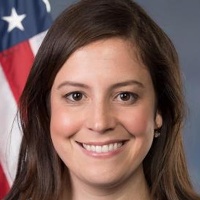
Elise Stefanik
Representative
NY-21
The Truman Scholarship Clean House Act reforms the Harry S. Truman Memorial Scholarship Foundation by restructuring its Board of Trustees and establishing new, bipartisan appointment requirements. The bill introduces stricter eligibility and conduct standards for scholarship recipients, mandates repayment for those who fail to meet public service requirements, and implements new transparency protocols for Foundation records. Additionally, it updates the appointment process and term limits for the Foundation’s Executive Secretary to ensure greater oversight and accountability.
Truman Scholarship Overhaul: New Board Rules, Stricter Student Conduct Codes, and 6% Interest Repayment Penalties
The Truman Scholarship, a prestigious federal award for students heading into public service, is looking at a major structural facelift. This bill effectively hits the reset button on the Foundation’s leadership, dissolving the current Board of Trustees within 90 days and replacing it with a new 13-member team. The big change here is a strict partisan balance: of the eight members the President appoints, no more than four can belong to the same political party. To make sure there’s no wiggle room, the bill creates a very broad definition of "political affiliation" that includes anyone who has ever held office, worked as a political staffer, or even been a judicial appointee.
The New Rulebook for Scholars
If you are a student eyeing this scholarship, the stakes just got much higher. The bill introduces a "one strike" policy for eligibility. Under Section 4, the Foundation is prohibited from selecting any student who has been convicted of a felony or suspended from school. More notably, you are disqualified if you were a leader of a student organization that got suspended or expelled during your tenure. Imagine a student president of a Greek life chapter or a political club that gets shut down for a protest or a party violation—under this bill, that student is barred from becoming a Truman Scholar, regardless of their personal academic record.
The Cost of Walking Away
The financial fine print is where things get real for graduates. Currently, scholars are expected to work in public service, but this bill adds teeth to that promise. If a recipient fails to work in public service for at least three of their first seven years after grad school, they have to pay back every cent of the scholarship plus 6% annual interest (Section 5). This also applies if a student is suspended from their graduate program or convicted of a crime later on. For a young professional who might need to take a higher-paying private sector job to cover family emergencies or medical bills, this "public service or pay up" clause could turn a prestigious award into a significant debt trap.
Transparency and Transitions
On the administrative side, the bill forces the Foundation to be an open book. Section 7 mandates that all press releases, bios, and program announcements stay on a public website forever—no deleting or hiding old posts. If they edit something, they have to show the original version too. Additionally, the Executive Secretary, who runs the day-to-day operations, will now be limited to a four-year term with a maximum of two reappointments. This ensures that the leadership rotates as often as the political appointees on the Board, preventing any single person from running the Foundation as a long-term "fiefdom."