This bill mandates that the Secretary of Education and the Social Security Administration verify the Social Security numbers and citizenship status of all federal student aid applicants.
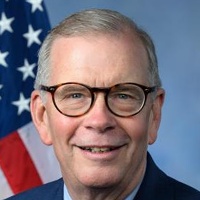
Tim Walberg
Representative
MI-5
The FAFSA Verification Efficiency Act streamlines the federal student aid process by mandating that the Department of Education and the Social Security Administration automatically verify the Social Security numbers and citizenship status of all applicants. This legislation aims to reduce administrative burdens and improve the accuracy of federal financial aid eligibility determinations.
FAFSA Verification Efficiency Act Mandates Instant SSN and Citizenship Checks for Student Aid
The FAFSA Verification Efficiency Act aims to tighten the gears of the federal student aid machine by requiring the Secretary of Education and the Social Security Administration (SSA) to work together. Specifically, Section 2 mandates that these agencies must verify the Social Security numbers and citizenship status of every applicant seeking federal student aid. By forcing a direct data handshake between the Department of Education and the SSA, the bill seeks to ensure that the information on your FAFSA matches the official government records before any money moves.
The Digital Handshake
This bill essentially formalizes a background check for your financial aid application. Under the new requirements, the verification process must happen "notwithstanding any other provision of law," which is legislative speak for "this takes priority over existing red tape." For most students—like a high school senior in Ohio or a returning adult student in Seattle—this should ideally mean a faster green light on their application because the verification is baked into the process. By automating the cross-reference between your SSN and your citizenship status, the goal is to cut down on the manual follow-up tasks that often stall aid packages in the financial aid office.
When Records Don't Match
While the goal is efficiency, the real-world impact hits hardest when the government’s paperwork doesn't line up. If you are a student who recently changed your name after marriage or a naturalized citizen whose status hasn't been updated in the SSA’s primary database, this mandatory verification could trigger an immediate flag. Because the bill requires this check for any individual providing information for aid under Section 484, a simple data discrepancy could act as a digital roadblock, potentially delaying tuition payments while the applicant scrambles to prove their identity or status to two different federal agencies.
Privacy and the Fine Print
The phrase "notwithstanding any other provision of law" is a powerful tool in this bill. It ensures that privacy statutes or older administrative rules can't be used to block this specific data sharing between the Education Department and the SSA. While this clears the path for a more streamlined system and helps prevent fraud, it also centralizes more personal data movements. For the average person, this means your sensitive information is moving more frequently between departments to satisfy the new verification mandate, making the accuracy of your Social Security record more important than ever for your educational funding.