The Shane DiGiovanna Act establishes a nationwide Medicaid demonstration program to provide mandatory coverage for essential wound care supplies and treatments for individuals with epidermolysis bullosa.
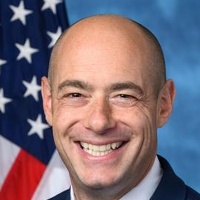
Greg Landsman
Representative
OH-1
The Shane DiGiovanna Act establishes a two-year nationwide Medicaid demonstration program to provide mandatory coverage for essential wound care supplies and treatments for individuals with epidermolysis bullosa. This initiative aims to improve patient health outcomes and reduce hospitalizations by ensuring access to necessary medical items. Following the program, the Secretary of Health and Human Services will report to Congress on its effectiveness and cost impact.
Shane DiGiovanna Act Mandates Medicaid Coverage for Critical Epidermolysis Bullosa Wound Care in New Two-Year National Program.
The Shane DiGiovanna Act creates a two-year nationwide demonstration program requiring state Medicaid plans to cover the high-cost, essential supplies needed to treat epidermolysis bullosa (EB). EB is a rare genetic condition that makes skin as fragile as a butterfly's wing, leading to constant, painful blistering. By mandating coverage for specific medical assistance under Section 2, the bill ensures that low-income patients who qualify for Medicaid under the Social Security Act gain guaranteed access to the basic tools required for daily survival and infection prevention.
The Butterfly Kit
Under this program, Medicaid must pay for a specific list of over-the-counter and medical supplies that are currently often out-of-pocket burdens for families. This includes medications like antihistamines for itching, acetaminophen and NSAIDs for pain, and antiseptics or antibiotic ointments to fight infection. Crucially, Section 2 also requires coverage for specialized wound care supplies, such as non-adherent dressings, gauze, and bandage retainers. For a parent caring for a child with EB, this means the difference between spending hundreds of dollars a month at the pharmacy and having those sterile supplies covered as a standard medical necessity.
Tracking Progress and Costs
The program is set to launch within one year of the bill becoming law and will run for 24 months. Following the pilot, the Secretary of Health and Human Services has one year to deliver a comprehensive report to Congress. This report will analyze whether providing these supplies upfront actually saves money by preventing expensive emergency room visits and hospitalizations. While state Medicaid programs will need to adjust their administrative systems to include these new billing codes, the data gathered will determine if this mandatory coverage becomes a permanent fixture in federal healthcare policy.