This bill establishes a grant program to reimburse state, local, and tribal law enforcement agencies for the costs of protecting non-governmental properties designated for U.S. Secret Service protection.
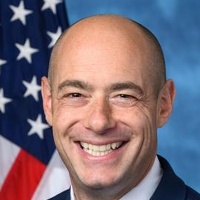
Greg Landsman
Representative
OH-1
The Secret Service-Local Law Enforcement Partnership Act of 2026 establishes a grant program to reimburse state, local, and tribal law enforcement agencies for the costs of protecting non-governmental properties designated for Secret Service protection. The bill provides funding for personnel, equipment, and operational expenses incurred while protecting eligible individuals at their private residences or offices. Additionally, it mandates strict oversight, including annual audits and reporting requirements, to ensure the transparent and effective use of federal funds.
Secret Service Partnership Act Proposes $61 Million Annual Grant for Local Police to Guard Private Residences
When a high-ranking official or a presidential candidate moves into your neighborhood, the local police department usually ends up footing a massive bill for 24/7 security that wasn't in their yearly budget. The Secret Service-Local Law Enforcement Partnership Act of 2026 aims to fix this by creating the 'Extraordinary Protection Reimbursement Program.' Under this bill, the federal government would set aside $61 million every year through 2028 to pay back state, local, and tribal police for the overtime, extra hiring, and specialized equipment needed to guard non-governmental properties—basically, the private homes and offices of people under Secret Service protection.
Picking Up the Tab for Private Property
For a local taxpayer in a town where a former president or a major candidate lives, this bill could mean your local tax dollars stay focused on neighborhood patrols rather than guarding a single private estate. Section 4 of the bill is very specific: federal cash can only be used for the actual hours officers spend guarding the property or patrolling the immediate area. It also covers the cost of travel to the site and protective equipment, provided the Secret Service Director signs off on the need. However, there is a catch for the officials being protected—the reimbursement only kicks in when the person is actually at the property or traveling to it. If the house is empty, the local police are back on their own dime if they choose to keep a perimeter.
Receipts, Audits, and the Paper Trail
Because we’re talking about millions in public funds going toward private property, the bill includes some heavy-duty oversight to prevent 'gold-plating'—where a department might try to buy a high-end armored vehicle when a few extra patrol cars would do. Section 6 requires the DHS Inspector General to run a full audit every single year. Furthermore, the Secretary of Homeland Security has to hand over an itemized list to Congress showing exactly who got the money, how many man-hours were worked, and every single piece of equipment purchased. This is designed to ensure that a grant meant for 'extraordinary protection' doesn't turn into a slush fund for general police department upgrades.
The Cost of Doing Business
While this provides a relief valve for local budgets, it does shift the financial burden directly onto federal taxpayers. At $61 million a year, it’s a significant commitment of federal resources to secure private real estate. There’s also a bit of a gray area in Section 1, which allows the Secretary to approve 'any other activity' deemed appropriate for protection. For a small business owner or a resident in these high-security zones, this could mean more checkpoints or specialized surveillance tech in your backyard, funded by the feds but operated by your local officers. The bill explicitly excludes hotels or temporary stays under 30 days, focusing the money strictly on long-term residences and offices where the security footprint is permanent and expensive.