The POINTS Act of 2026 establishes a federal grant program to expand access to prevention, screening, and treatment services for individuals struggling with gambling addiction.
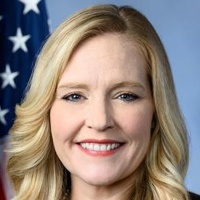
Erin Houchin
Representative
IN-9
The POINTS Act of 2026 establishes a federal grant program to fund the prevention, screening, and treatment of gambling addiction. By providing resources to states and Tribal organizations, the bill aims to expand access to specialized care, public awareness campaigns, and support services for at-risk populations. Priority is given to programs serving disproportionately impacted groups, including veterans and youth, as well as those operating in underserved or rural areas.
POINTS Act of 2026 Redirects Sports Wagering Taxes to Fund Gambling Addiction Treatment and Rural Support Lines
The POINTS Act of 2026 creates a dedicated federal grant program designed to tackle the rising tide of gambling addiction by funding prevention, screening, and treatment services across the country. Starting in fiscal year 2027, the bill authorizes funding for states and tribal organizations equal to 33% of the federal excise taxes collected on sports wagering from the 2025 calendar year. This move effectively ties the growth of the gambling industry to the resources available for those struggling with its side effects, ensuring that as betting increases, so does the budget for help lines, peer support groups like Gamblers Anonymous, and specialized outpatient care.
A Safety Net for the Digital Betting Age
This legislation focuses on modernizing how we handle addiction in a world where a casino is in everyone's pocket. Under Section 2, grant recipients are required to use funds for practical, boots-on-the-ground services. This isn't just about brochures; it includes training primary care doctors to spot the signs of a gambling problem during a routine check-up and expanding telehealth services for people who can't drive to a clinic. For a veteran in a remote area or a young adult who has spiraled through sports betting apps, this could mean the difference between hitting a dead end and finding a real-time response via the National Problem Gambling Helpline.
Prioritizing the High-Risk Zones
The bill doesn’t just throw money at the problem; it directs the Assistant Secretary for Health to prioritize specific groups that the data shows are hit hardest. This includes members of the Armed Forces, veterans, Native Americans, and youth. If you live in a 'health professional shortage area'—think rural towns where the nearest specialist is three hours away—your community gets a leg up in the application process. By requiring partnerships with local community-based organizations, the bill aims to ensure that the help provided actually fits the local culture and language of the people living there.
Tracking Results and Staying Accountable
To make sure this isn't just another bureaucratic black hole, the bill baked in a strict reporting timeline. Starting December 29, 2027, the government must produce an annual report on whether these programs are actually working. Applicants have to prove upfront how they plan to increase access to care and exactly what percentage of their community they expect to serve. While the bill is clear on its goals, the real-world success will depend on how quickly states can spin up these programs and whether the funding—which will be adjusted for inflation after 2028—can keep pace with the rapidly expanding gambling market.