The ICE Standards Act mandates comprehensive reforms for immigration enforcement, including enhanced officer training, the use of body cameras, stricter identification requirements, and limitations on enforcement actions at sensitive locations.
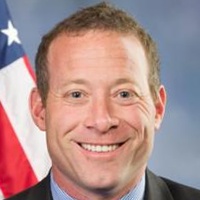
Josh Gottheimer
Representative
NJ-5
The ICE Standards Act introduces comprehensive reforms to federal immigration enforcement, mandating enhanced officer training, the use of body and dashboard cameras, and clear identification requirements. The bill also establishes strict protocols for de-escalation, limits enforcement actions at sensitive locations like schools and hospitals, and mandates the verification of citizenship status prior to any arrest. Additionally, it requires improved coordination and notification between federal agents and local law enforcement agencies.
ICE Standards Act Mandates Body Cameras and De-escalation Training for Federal Immigration Officers
The ICE Standards Act introduces a major shift in how federal immigration enforcement operates on the ground, focusing heavily on transparency and civil rights. The bill requires the Secretary of Homeland Security to implement mandatory annual training for all immigration officers, covering everything from Fourth Amendment search-and-seizure rules to tactical de-escalation strategies. Perhaps most significantly for daily accountability, it mandates that all officers wear body cameras and all enforcement vehicles be equipped with dashboard cameras, while also requiring officers to clearly display their names or agency on their uniforms. For the average person, this means federal immigration actions will now have a digital paper trail similar to many local police departments.
Accountability on Camera
Under Section 2, the bill moves immigration enforcement into the era of modern oversight by requiring body-worn and dashboard cameras for all operations. This isn't just about recording interactions; it's about creating a standard of conduct that is reviewable. For a local business owner or a bystander witnessing an enforcement action, this provision aims to ensure that procedures are followed by the book. Officers do retain the right to review their own footage, but the default setting is now 'eyes on,' which is a significant change from current federal protocols that often lack uniform camera requirements.
Safe Zones and Street Signs
The legislation creates 'protected areas'—think schools, hospitals, places of worship, and polling sites—where immigration arrests are generally prohibited (Section 287 amendment). Imagine a parent dropping their kid off at school or a patient at a community health clinic; this bill aims to ensure those environments remain focused on education and health rather than enforcement. There are 'exigent circumstances' exceptions for national security or immediate threats, but the baseline rule is to keep these sensitive locations off-limits. Additionally, the bill cracks down on the 'police' label; officers can't wear gear that just says 'POLICE' unless it also clearly identifies their specific agency, reducing confusion for residents and local law enforcement alike.
Coordination and Citizenship Checks
In a move that impacts local government logistics, the bill requires federal agents to notify local police at least 24 hours before an operation in their town. This is designed to prevent the confusion that happens when local dispatchers get flooded with calls about unidentified armed groups in a neighborhood. Furthermore, the bill explicitly prohibits the deportation of U.S. citizens and requires officers to verify citizenship status before making an arrest. While this might seem like common sense, codifying it into law creates a mandatory checkpoint to prevent the wrongful detention of citizens—a safeguard that protects everyone’s right to due process regardless of their background.