The Care Over Profits Act of 2026 increases medical loss ratio requirements for health insurers and establishes strict civil and criminal penalties for agents or brokers who submit fraudulent enrollment information.
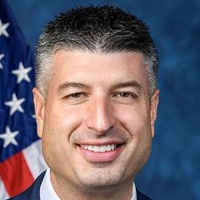
Tom Barrett
Representative
MI-7
The Care Over Profits Act of 2026 mandates that health insurers in the individual and small group markets spend at least 85% of premium revenue on direct patient care and quality improvements. Additionally, the bill establishes strict civil and criminal penalties for insurance agents and brokers who provide false or fraudulent information on health insurance exchange applications.
Care Over Profits Act Mandates 85% Medical Spending Ratio and Sets $200,000 Fines for Insurance Application Errors
The Care Over Profits Act of 2026 is a two-pronged overhaul of how health insurance operates for individuals and small businesses. Starting January 1, 2026, the bill raises the mandatory Medical Loss Ratio (MLR) from 80% to 85% for these markets. This means for every dollar you pay in premiums, the insurance company must spend at least 85 cents on actual medical care or quality improvements, rather than CEO bonuses or marketing. If they miss that mark, they are legally required to send you a rebate check for the difference.
More Care, Less Overhead
By bumping the MLR to 85%, the bill effectively forces insurance companies to tighten their belts on administrative spending. For a small business owner with ten employees, this could mean more stable premiums or a yearly refund if the insurer overestimates their costs. It aligns the individual and small group markets with the standards already required for large employers. However, the real-world catch is that insurers might respond by narrowing their networks or raising base premiums to protect their remaining 15% margin, making it a bit of a tug-of-war between better value and potential price hikes.
The High Cost of Paperwork Mistakes
While the first half of the bill focuses on the companies, the second half—effective in 2027—targets the people who help you sign up for coverage. Section 3 introduces massive penalties for insurance agents and brokers. If an agent makes a mistake on your application due to negligence, they face a fine between $10,000 and $50,000 per application. If the government decides an agent "knowingly and willfully" provided false info, that fine jumps to $200,000, and they could face up to 10 years in federal prison. This is a significant escalation designed to curb fraud, but the stakes are now incredibly high for the person sitting across the desk from you.
A Risky Business for Brokers
For the average person, these penalties might mean your local insurance broker becomes much more cautious—or much more expensive. A single clerical error that a regulator deems 'negligent' could put a small-town independent agent out of business. While the goal is to protect the integrity of the Exchange and ensure you aren't signed up for plans under false pretenses, the severity of these fines could lead to fewer brokers willing to help people navigate the often-confusing world of health insurance. It’s a classic trade-off: higher accountability for the professionals, but potentially less access to help for the rest of us.