This Act requires the President to identify and impose asset blocking, visa restrictions, and inadmissibility sanctions on foreign persons knowingly involved in the Jeffrey Epstein sex trafficking enterprise or efforts to conceal it.
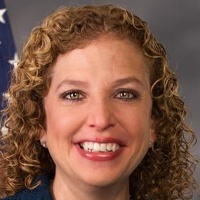
Debbie Wasserman Schultz
Representative
FL-25
The No Escaping Justice Act of 2026 mandates the President to identify and report on foreign persons who knowingly facilitated or profited from the Jeffrey Epstein sex trafficking enterprise. This bill requires the imposition of strict sanctions, including asset blocking and visa bans, on these identified individuals. The Act also establishes specific criteria for waiving or terminating these sanctions, subject to congressional notification.
No Escaping Justice Act: New Sanctions Target Global Enablers of Epstein Network Starting in 2026
The No Escaping Justice Act of 2026 is a direct swing at the international web that allowed Jeffrey Epstein’s sex trafficking enterprise to function. Within 90 days of this becoming law, the President has to hand over a list to Congress identifying foreign individuals who knowingly helped, financed, or profited from these crimes. It’s not just about the big names you’ve seen in the headlines; it’s about anyone—from a foreign fixer to a financier—who the U.S. determines, based on 'credible information,' played a role in the trafficking or the cover-up. For the next five years, this list gets updated annually, keeping the pressure on as new evidence surfaces from DOJ and FBI records.
Freezing the Books and Closing the Borders
Once a foreign person hits that list, the bill triggers a financial and travel lockdown under Section 4. The U.S. will use the International Emergency Economic Powers Act to freeze any of their assets that touch the American financial system. If they own a condo in Miami or have a bank account with a U.S. branch, those assets are blocked. On top of the money hit, their travel is cut off: any existing visas are revoked, and they are barred from entering the country. For a business owner or a professional in the U.S., this means you’ll need to be extra careful about who you’re doing business with overseas; accidentally processing a transaction for a sanctioned individual could land you in hot water with federal regulators under Section 4(d).
The 'Get Out of Jail' Clauses
While the bill is tough, it includes some significant 'pressure valves' in Section 5. The President can waive these sanctions if they decide it’s in the 'national interest' or necessary for an active intelligence operation. This is where things get a bit murky for the average observer—the term 'national interest' is broad and could potentially be used to protect a high-ranking foreign official for diplomatic reasons. However, there is a path for someone to get off the list if they can prove they were wrongly identified, or if they’ve served their time, cooperated with law enforcement, and taken 'verifiable steps' to help the victims. It’s a carrot-and-stick approach designed to flip witnesses and provide some measure of restitution to those harmed.
What 'Credible' Really Means
One of the most important details for anyone following the 'Epstein Files' is how the government decides who to sanction. Section 3 explains that while the President will look at DOJ and FBI records, simply having a name show up in an Epstein-related document isn't enough to trigger sanctions on its own. They need 'credible information,' which can include everything from court testimony and plea deals to reports from international organizations and NGOs. This is a high bar intended to prevent the list from becoming a catch-all for anyone who ever sat on a plane with Epstein, focusing instead on those who 'knowingly' facilitated the actual crimes or obstructed the subsequent investigations.