This bill establishes a process for terminating the Puerto Rico Oversight Board and transferring the representation of the Puerto Rico Electric Power Authority to a local successor entity.
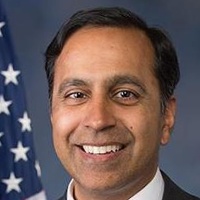
Raja Krishnamoorthi
Representative
IL-8
The Puerto Rican People’s Power Restoration Act of 2026 establishes a formal process to terminate the Financial Oversight and Management Board for Puerto Rico. It allows the Puerto Rican government to designate a successor entity to oversee the Puerto Rico Electric Power Authority’s bankruptcy proceedings and fiscal management. This legislation ensures a structured transition of authority while maintaining the validity of existing fiscal plans and court-supervised debt adjustments.
Puerto Rico Power Play: New Bill Creates Path to End Federal Oversight and Reshape Electricity Bankruptcy.
The Puerto Rican People’s Power Restoration Act of 2026 sets up a legal 'exit ramp' for the federal Financial Oversight and Management Board that has governed the island’s finances for years. Under Section 2, the Board will officially shut down the day after Puerto Rico passes its own law to create a successor entity. This is a major shift in who holds the keys to the island's checkbook, moving power from a federally appointed board back to a local body. For residents and business owners in Puerto Rico, this means the people making decisions about taxes, public services, and the power grid will soon be part of an organization established by their own local government rather than Washington D.C.
Passing the Baton on the Power Grid
A huge part of this bill focuses on the Puerto Rico Electric Power Authority (PREPA), which has been stuck in a long, complicated bankruptcy. Section 3 changes the lineup of who represents the utility in court. Once a local successor entity is named, the federal Oversight Board steps out, and the utility’s own board or the new local entity takes over the legal fight. If you’re a small business owner or a family dealing with high utility rates, this change is critical because these legal representatives decide how much debt the utility pays back—which directly impacts how much your monthly power bill might cost in the future.
The 'Golden Handcuffs' Clause
There is a specific catch in Section 3 that might raise some eyebrows: the 'Retention of Professional Staff' rule. It mandates that the new local entity must keep all the same high-priced consultants, lawyers, and advisors that the federal board was already using, unless a new local law specifically says otherwise. For the average taxpayer, this is a bit like buying a new house but being legally required to keep the previous owner’s expensive interior decorator. While it’s designed to keep the bankruptcy cases from falling apart during the hand-off, it also guarantees continued work for the same firms that have been running the show for years.
Keeping the Guardrails in Place
To prevent a total legal meltdown during the transition, Section 4 includes 'Rules of Construction' that act as a safety net. It clarifies that any budgets or fiscal plans already in place stay valid until the new local representative officially changes them. It also keeps the U.S. District Court for the District of Puerto Rico in charge of the legal proceedings. This means that while the faces at the table might change, the existing rules of the game remain the same for now, providing some stability for creditors and citizens who are worried about a chaotic transition.