This bill prohibits the use of federal health insurance innovation waiver funds to provide coverage or benefits to individuals who are not U.S. citizens or lawfully present in the United States.
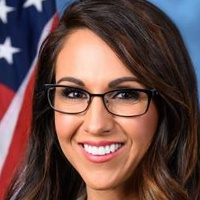
Lauren Boebert
Representative
CO-4
The "No Federal Tax Dollars for Illegal Aliens Health Insurance Act of 2026" prohibits the use of federal health insurance innovation waiver funds to provide coverage or benefits to individuals who are not U.S. citizens or lawfully present in the United States. Additionally, the bill mandates the rescission of any existing state waivers that do not comply with these new eligibility requirements.
New Healthcare Act Bans Federal Funding for Undocumented Residents and Mandates 30-Day State Waiver Cancellations
The 'No Federal Tax Dollars for Illegal Aliens Health Insurance Act of 2026' creates a hard line in the sand regarding who qualifies for federal health subsidies. Specifically, it amends Section 1332 of the Affordable Care Act—the part that allows states to get creative with how they deliver healthcare—to explicitly forbid any federal funds from being used to cover individuals who aren't U.S. citizens, nationals, or lawfully present residents. Beyond just setting a new rule for the future, the bill includes a 'look-back' provision: the Secretary of Health and Human Services has exactly 30 days to hunt down and cancel any existing state programs that currently use these federal dollars to cover unauthorized individuals.
The End of State Flexibility
Under current laws, some states use 'innovation waivers' to build unique insurance marketplaces that fit their specific local needs. For example, a state might decide that covering everyone—regardless of immigration status—actually lowers costs for everyone else by keeping people out of expensive emergency rooms. This bill effectively ends that strategy. If a state has a program that blends federal and state money to provide a health plan to an undocumented worker, that federal portion of the funding must be cut off immediately. For a state like California or Washington, this could mean a sudden, massive hole in their healthcare budgets and a scramble to figure out who is still eligible for coverage.
The 30-Day Deadline Crunch
The bill doesn't just change the rules for next year; it hits the 'reset' button with a very short fuse. By requiring the Secretary of HHS to rescind non-compliant waivers within 30 days of the law's enactment, it creates a high-pressure environment for state insurance commissioners. Imagine a small clinic that relies on these state-level programs to treat patients; they could see their reimbursement streams vanish in a month. For the average person, this might not change your employer-provided plan, but it could lead to longer wait times at community health centers or higher 'uncompensated care' costs that hospitals eventually pass on to everyone else through higher service fees.
Impact on Public Health and Providers
When people lose insurance, they don't stop getting sick; they just stop going to the doctor until it's an emergency. This bill shifts the financial burden from federal insurance subsidies back onto local hospitals and safety-net providers. For a nurse or a doctor working in a high-immigration area, the reality of this bill is a likely surge in ER visits for things that could have been handled with a simple prescription. While the bill achieves its goal of ensuring federal tax dollars are reserved strictly for those with legal status, the practical trade-off is a potential disruption in how states manage their overall public health and a direct hit to the administrative stability of state-run insurance exchanges.