The Lowering Student Loans Act caps interest rates for both new and existing federal student loans at a fixed 2% starting July 1, 2026.
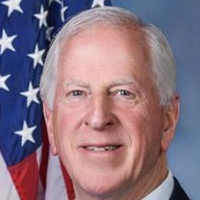
Mike Thompson
Representative
CA-4
The Lowering Student Loans Act aims to reduce the financial burden of higher education by capping interest rates on most federal student loans at a fixed 2%. Starting July 1, 2026, this rate will apply to both new federal loans and existing eligible loans, providing significant interest relief to millions of borrowers.
Student Loan Interest Rates Capped at 2% Starting July 2026: New Bill Slashes Costs for Millions of Borrowers
The Lowering Student Loans Act proposes a major overhaul of the federal student loan system by establishing a fixed 2% interest rate for the vast majority of federal loans. Starting July 1, 2026, this 2% cap will apply to all new Direct Stafford, Unsubsidized, and PLUS loans. Perhaps more importantly for those already in the workforce, the bill retroactively applies this rate to existing federal loans that currently sit above 2%, effectively slashing interest costs for millions of current borrowers. This isn't just a minor tweak; it’s a fundamental shift in how the government profits—or doesn't profit—off student debt.
The Retroactive Rate Reset
Under Section 2, the bill mandates that the Secretary of Education automatically reduce the interest rate on existing eligible federal loans to 2% on the July 2026 start date. For a professional who graduated five years ago with a 6.8% interest rate on their graduate loans, this change would drastically alter their monthly balance sheet, directing more of every payment toward the principal rather than interest. The bill also includes a 'look-back' provision for older FFEL program loans, allowing those borrowers to consolidate into the new Direct program specifically to snag this 2% rate. To keep things transparent, the government must notify borrowers 90 days in advance, providing a window to opt out if, for some specific tax or legal reason, a borrower prefers their original terms.
Administrative Guardrails and Rollout
To prevent the typical bureaucratic headaches associated with large-scale financial shifts, the legislation requires the Secretary of Education to notify all loan servicers 90 days before the transition. Section 2 also explicitly orders the creation of a formal process to resolve borrower complaints. This means if your servicer 'forgets' to drop your rate or messes up the math, there is a dedicated legal pathway to get it fixed. For the average office worker or trade professional managing their budget through an app, this provision is designed to ensure the 2% cap actually shows up on their statement without requiring a dozen phone calls to a customer service line.
Economic Trade-offs and Long-term Impact
While the benefit to the borrower is clear—more disposable income for housing, childcare, or savings—the bill does shift the financial burden. By capping rates at 2%, the federal government will see a significant reduction in interest revenue, which currently helps offset the cost of administering these programs. Additionally, private lenders may find it difficult to compete with a government-backed 2% rate, potentially narrowing the options for private refinancing. However, for the person currently choosing between a student loan payment and a car repair, the bill prioritizes immediate liquidity for the borrower over the government's bottom line, maintaining all other existing loan benefits and protections while strictly focusing on the cost of borrowing.