The SPONSOR Act holds tax-exempt organizations legally and financially liable for criminal or civil misconduct committed by the non-exempt projects they fiscally sponsor.
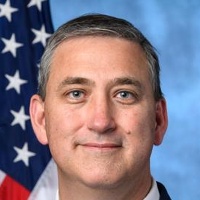
Nathaniel Moran
Representative
TX-1
The SPONSOR Act holds tax-exempt organizations legally accountable for the actions of the projects they fiscally sponsor. Under this bill, organizations that accept tax-deductible donations for sponsored projects face criminal and civil liability if those projects engage in terrorism, intimidation, or the obstruction of lawful commerce.
SPONSOR Act Targets Non-Profit Safety Nets: 501(c)(3)s to Face Criminal Liability for Sponsored Projects
The SPONSOR Act introduces a major shift in how non-profits handle their money and partnerships. Under this bill, if a tax-exempt 501(c)(3) organization acts as a 'fiscal sponsor'—basically an umbrella organization that handles the books and tax-deductible donations for smaller, un-incorporated projects—it now carries the legal bag for everything that project does. Specifically, Section 2 mandates that these parent organizations bear full criminal and civil liability if their sponsored projects engage in 'covered activities.' This means if a small community group you support through a larger non-profit gets into legal trouble, the large non-profit is the one in the crosshairs for the fines or even criminal charges.
The Liability Umbrella
In the real world, fiscal sponsorship is how many local initiatives get off the ground. Think of a neighborhood group starting a community garden or a group of coders building an open-source privacy tool; they often use a fiscal sponsor to accept donations while they focus on the work. This bill changes the math for those sponsors. According to the text, the liability kicks in the moment the sponsor tells a donor their gift is tax-deductible. Section 2 establishes a 'presumption' that the sponsor is responsible for ensuring every cent complies with the law. While the bill allows for a 'due diligence' defense, the default setting is that the parent organization is guilty until they prove they watched their sponsored project like a hawk.
Defining the Danger Zone
The bill identifies 'covered activities' that trigger this liability, and the definitions are broad enough to make a compliance officer sweat. It includes providing assistance to international terrorist groups, but it also covers using 'physical obstruction' to interfere with someone's constitutional rights or blocking the movement of commerce. For example, if a small grassroots group sponsored by a larger environmental non-profit organizes a protest that blocks a highway or a construction site, the parent non-profit could be held civilly liable for the economic disruption. The bill defines 'intimidation' as placing someone in 'reasonable apprehension of bodily harm,' a standard that can be highly subjective depending on the intensity of a public demonstration.
High Stakes for Local Action
For the average person, this might mean your favorite local causes suddenly find it much harder to get funding. If you're a donor who likes supporting small, edgy, or experimental projects through established non-profits, you might see those options disappear. Larger organizations may decide that the risk of being held criminally liable for a project they don't run day-to-day is simply too high. This could lead to a 'chilling effect' where only the safest, most corporate-friendly projects get sponsored, while community organizers, social advocacy groups, and unconventional startups are left without a way to process tax-deductible donations. The cost of insurance and legal oversight for these non-profits is almost certain to rise, potentially eating into the funds meant for the actual mission.