The Stop Child Care Scams Act of 2026 strengthens federal oversight and mandates stricter penalties, including permanent debarment and mandatory fund withholding, to combat fraud and improve accountability within the Child Care and Development Block Grant program.
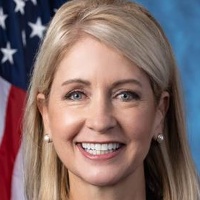
Mary Miller
Representative
IL-15
The Stop Child Care Scams Act of 2026 aims to combat fraud and strengthen accountability within federal child care assistance programs. It mandates federal withholding of funds from states that fail to repay misspent money and requires states to detail robust internal controls for preventing and investigating fraud. Furthermore, the bill institutes permanent debarment for child care providers found guilty of fraud and establishes strict corrective action plans and potential funding ineligibility for states with high improper payment rates.
| Party | Total Votes | Yes | No | Did Not Vote |
|---|---|---|---|---|
Democrat | 212 | 4 | 207 | 1 |
Republican | 218 | 213 | 0 | 5 |
Stop Child Care Scams Act of 2026 Mandates Permanent Bans for Fraudulent Providers and Forces States to Repay Misspent Funds.
The Stop Child Care Scams Act of 2026 is essentially a massive audit and enforcement upgrade for the federal money that helps pay for child care. Under the current law, the Secretary of Health and Human Services (HHS) had the option to withhold funds from states that didn't pay back misspent money; this bill changes that 'may' to a 'shall,' making the penalty mandatory (Section 2). It also introduces a 'one strike and you're out' rule for providers: if a child care center or home-based provider is found to have committed fraud—like faking attendance records or lying about ownership—they are permanently barred from receiving any federal child care assistance (Section 4).
Locking the Vault
This legislation isn't just about catching bad actors after the fact; it forces states to show their work upfront. Every state will now have to include a detailed 'integrity and accountability' plan that explains exactly how they verify who is eligible for help and how they investigate suspicious payments (Section 3). For a working parent, this might mean more rigorous documentation during the application process, as states are now required to use data from other agencies to double-check that providers are actually licensed and doing what they say they are doing. The bill also links different federal programs together: if a provider gets caught cheating the Child and Adult Care Food Program (the one that pays for healthy meals in daycares), they are automatically banned from the Child Care and Development Block Grant program too (Section 7).
Accountability for the States
If a state is messy with its bookkeeping, the federal government is turning up the heat. Any state with an 'improper payment rate'—which covers everything from honest math errors to flat-out fraud—above 5% must immediately submit a corrective action plan (Section 5). If they stay above that 5% mark for two years in a row, they could lose their federal funding entirely unless they prove they are making serious progress. This puts a lot of pressure on state agencies to modernize their systems, which could be a win for taxpayers but might also lead to more red tape for legitimate small-scale daycare owners who have to navigate these stricter reporting rules.
Watching the Watchmen
To make sure these rules aren't just empty threats, the bill mandates a three-year performance review for every state. If a state has a history of unresolved audit issues or keeps failing its own improvement plans, the Secretary will officially label them 'high risk' and subject them to extra monitoring (Section 6). Finally, the bill orders the GAO to conduct a deep-dive study within two years to see if these new measures are actually working or if there are still loopholes being exploited in programs like Head Start (Section 9). By removing the Secretary’s power to waive these sanctions (Section 8), the bill ensures that once a state or provider breaks the rules, the consequences are baked into the law.