This bill mandates the permanent debarment of child care providers and food program institutions from federal assistance programs upon a final determination of fraud.
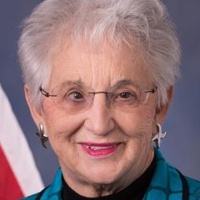
Virginia Foxx
Representative
NC-5
The Safeguarding Taxpayer Dollars in Child Care Act of 2026 mandates the permanent debarment of child care providers from federal assistance programs if they are found to have committed fraud. This legislation ensures cross-program accountability by requiring that providers barred from the Child Care and Development Block Grant or the Child and Adult Care Food Program are disqualified from both.
New Child Care Fraud Bill Mandates Lifetime Bans for Dishonest Providers Starting in 2026.
The Safeguarding Taxpayer Dollars in Child Care Act of 2026 is a straightforward piece of legislation designed to clean up federal child care and food assistance programs. It targets providers who cheat the system by establishing a 'one strike and you’re out' policy for fraud. If a provider is caught lying about their enrollment numbers, faking their state licenses, or misusing government funds, they won’t just get a slap on the wrist—they’ll be permanently banned from receiving federal child care grants and food program money. This is a direct effort to ensure that the billions of dollars intended to help working parents actually reach legitimate classrooms and kitchens.
Closing the Loophole
One of the biggest shifts in this bill is how it links different government programs together. Currently, a provider might get caught defrauding the Child Care and Development Block Grant (CCDBG) but still manage to collect checks from the Child and Adult Care Food Program (CACFP). Under Section 2 and Section 3 of this bill, those silos are coming down. If the Secretary of Health and Human Services bars a provider for fraud, the Secretary of Agriculture is legally required to follow suit and ban them from the food program as well. It’s a cross-agency blacklist designed to stop bad actors from jumping from one pot of taxpayer money to another.
Defining the 'Final Straw'
To keep things fair and avoid bureaucratic accidents, the bill relies on a 'final determination of fraud.' This means a provider isn't banned just because of a typo or a simple mistake; it requires a formal administrative order or a court decision where all appeals have been exhausted. According to the text, fraud includes knowingly submitting false documents, misrepresenting how many kids are actually attending, or operating without a state license. For a local daycare owner who plays by the rules, this bill levels the playing field by removing competitors who undercut the market through illegal means. For parents, it adds a layer of security, ensuring that the facilities receiving public support meet legal and ethical standards.
Accountability in Action
This bill doesn't just look for big-time embezzlement; it covers 'improper expenditures' and misrepresenting services provided. For example, if a provider claims they are serving organic meals to 50 toddlers to get higher food reimbursements but is actually only serving 20 kids cereal, that counts as a final determination of fraud once the court rules on it. By making these bans permanent, the legislation aims to protect the long-term integrity of the child care safety net. While the primary targets are the 'bad apples' in the industry, the ultimate goal is to ensure that limited taxpayer resources are preserved for the thousands of honest providers who are helping busy families get through the work week.