This bill establishes a mandatory triennial review process for states receiving Child Care and Development Block Grant funds to identify and increase oversight of high-risk programs.
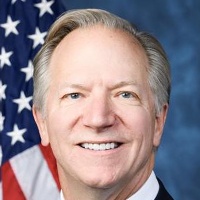
Robert Onder
Representative
MO-3
The Child Care Integrity Monitoring Act of 2026 establishes a mandatory, triennial review process for states receiving Child Care and Development Block Grant funds. This legislation ensures greater accountability by requiring the Secretary of Health and Human Services to identify and implement enhanced monitoring for states designated as "high risk" due to repeated noncompliance or unresolved audit findings.
Child Care Integrity Monitoring Act Mandates Three-Year Federal Audits to Track State Spending Performance.
The Child Care Integrity Monitoring Act of 2026 shifts how the federal government keeps tabs on the billions of dollars sent to states for child care. Under this bill, the Secretary of Health and Human Services (HHS) is required to conduct a comprehensive performance review of every state every three years. It is essentially a mandatory checkup to ensure that the Child Care and Development Block Grant funds—which help lower-income families afford daycare and after-school programs—are actually being used according to the rules. If a state has a habit of messy paperwork or failing to fix previously identified problems, they will find themselves on a federal 'high-risk' list.
Putting States on the Clock
Section 2 of the bill introduces a 'High-Risk' designation for states that can’t seem to get their act together. Specifically, if a state has repeated adverse audit findings or fails to follow through on 'corrective action plans' required by existing law (Section 659J(c)), they get flagged. For a local child care provider or a parent, this might not change your daily routine immediately, but it puts intense pressure on state agencies to tighten their operations. If your state is labeled high-risk, the federal government can swoop in with 'additional monitoring.' While the bill doesn't explicitly define what that extra oversight looks like, it likely means more frequent audits and more hoops for state bureaucrats to jump through to keep the funding flowing.
The Accountability Trade-Off
The goal here is program integrity—making sure tax dollars aren't lost to administrative errors or fraud. For a working parent, better oversight could mean that the subsidies you rely on are managed more reliably. However, there is a catch: the bill is somewhat vague on what 'additional monitoring' entails for those high-risk states. If the federal requirements become too burdensome, state agencies might spend more time on compliance paperwork than on actually improving child care access. The bill creates a stricter 'three strikes' style environment for state performance, ensuring that if a state is failing to meet its own approved plan under Section 658E(c), the federal government has a clear mandate to step in and demand better results.