This bill reduces public housing rent costs for full-time police officers, firefighters, and emergency medical technicians.
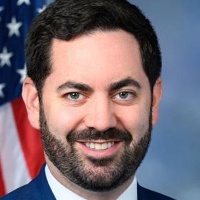
Michael Lawler
Representative
NY-17
The Public Housing Rent Reduction for First Responders Act amends the U.S. Housing Act of 1937 to lower rental costs for full-time police officers, firefighters, and emergency medical technicians living in public housing. Under this bill, eligible public safety personnel will have their rent calculated based on a reduced percentage of their income to improve housing affordability for these essential workers.
First Responders to See Public Housing Rent Cut by Half Under New Federal Proposal
The Public Housing Rent Reduction for First Responders Act aims to make living in the communities they protect more affordable for those on the front lines. Specifically, the bill targets full-time police officers, firefighters, and emergency medical technicians (EMTs) who reside in public housing. Under current rules, most public housing residents pay roughly 30% of their adjusted income toward rent; this bill would slash that requirement to just 15% of adjusted monthly income or 5% of gross monthly income—whichever is higher. By amending the Housing Act of 1937, the legislation effectively creates a specialized safety net for the people who provide our emergency safety nets.
Budgeting for the Brave
For a rookie EMT or a firefighter just starting out, this change is a significant financial game-changer. Imagine a first responder earning $3,000 a month in adjusted income. Under standard public housing rules, they might be looking at a $900 rent check. If this bill passes, Section 2 dictates that their rent would drop to $450. That is an extra $450 a month back in their pocket to cover rising grocery costs, student loans, or childcare. The bill is very specific about who qualifies: you must be a "duly licensed professional" or employed full-time by a federal, state, local, or tribal agency. This isn't a one-time discount; the Public Housing Agency (PHA) is required to verify employment throughout the residency to ensure the benefit stays with active public servants.
The Neighborhood Effect
Beyond the individual paycheck, this policy is designed to keep first responders embedded in the neighborhoods they serve. When a police officer or a paramedic lives in the same building as the families they assist during a 911 call, it builds a different kind of community trust. However, the bill’s precision also raises some practical questions for local housing authorities. Because the bill focuses strictly on full-time police, fire, and EMS, other essential workers—like teachers or social workers—don't see the same relief. Furthermore, since PHAs rely on rent to maintain their buildings, a significant drop in revenue from these units might require the federal government to step in with more funding to ensure that elevators stay running and roofs stay repaired for all residents.
Implementation and Oversight
The rollout relies heavily on local Public Housing Agencies to do the heavy lifting of verification. According to the text, the PHA must determine that at least one family member is currently employed in an eligible role during their period of residence. While the bill is clear on the math (rounding to the nearest dollar), it doesn't explicitly state how PHAs will make up for the lower rent revenue. For the average person on a public housing waitlist, the impact remains to be seen—whether this encourages more first responders to apply for limited units or if it simply provides much-needed relief to those already there, the goal is a more stable environment for those who spend their workdays managing everyone else's emergencies.