Gwenn's Law establishes public awareness campaigns to boost women's participation in clinical trials and raise awareness of bleeding disorders, while also creating a task force and action plan to advance rare disease treatments, particularly those affecting women.
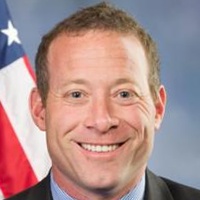
Josh Gottheimer
Representative
NJ-5
Gwenn's Law aims to boost the participation of women in NIH clinical trials through a targeted public awareness campaign. The bill also mandates a separate campaign to increase women's awareness and involvement in research concerning bleeding and clotting disorders. Furthermore, it establishes a permanent Interagency Task Force and requires an action plan to better coordinate federal efforts on rare diseases that disproportionately affect women.
Gwenn's Law Boosts Women's Clinical Trial Participation, Targets Rare Diseases with $10M Annual Funding
Alright, let's talk about Gwenn's Law. This isn't just another piece of paper; it's a focused effort to get more women into clinical trials, especially for those tricky rare diseases, and to shine a spotlight on bleeding and clotting disorders. Basically, it's saying, 'Hey, women's health needs more specific attention, and here's how we're going to start making that happen.'
The 'Why' Behind the Trials
Ever wonder why some treatments feel like they're not quite right for you, or why the side effects hit differently? A lot of it comes down to who's in the clinical trials that test these things. This bill, under Section 2, is pushing the National Institutes of Health (NIH) to launch a big public awareness campaign. The goal? Get more women participating in clinical trials, particularly for rare diseases. Think about it: if a new drug is being tested for a rare condition, and it primarily affects women, you want women in those trials to make sure it actually works for them. They're even going to be doing outreach at hospitals and doctors' offices to make it easier to sign up. This isn't just about fairness; it's about making sure treatments are effective for everyone, not just a specific demographic.
Shedding Light on Hidden Conditions
Beyond clinical trials, Section 3 of Gwenn's Law is tackling another big one: awareness of bleeding and clotting disorders in women. These conditions, like hemophilia, often fly under the radar or are misdiagnosed. The Department of Health and Human Services (HHS) is now tasked with running a public awareness campaign to increase participation in their research and prevention programs. For anyone who's ever dealt with unexplained heavy periods or easy bruising, this campaign could be a game-changer, helping more women get the diagnosis and care they need sooner. Both of these awareness campaigns are getting some serious backing, with $10 million authorized for each fiscal year from 2027 through 2031. That's a solid commitment to getting the word out and funding crucial research.
Teamwork Makes the Dream Work for Rare Diseases
One of the coolest parts of this bill, in Section 4, is the creation of a permanent Interagency Task Force on Advancing Treatments for Rare Diseases. This isn't just a temporary committee; it's a dedicated team within HHS, bringing together big shots like the Secretary of HHS, the FDA Commissioner, and the Director of NIH. But it's not just government folks; they're also bringing in experts from biopharmaceutical companies, private health plans, and, crucially, representatives from rare disease advocacy groups. This means the people actually living with these conditions will have a seat at the table. Their job? To assess what federal agencies are already doing, coordinate efforts, and specifically encourage research and development for rare diseases that disproportionately affect women. It's about cutting through the red tape and making sure everyone's pulling in the same direction.
A Game Plan for the Future
Finally, Section 5 ties it all together by requiring the Secretary of HHS to put together an action plan within 180 days of the law kicking in. This plan will lay out exactly how HHS is going to coordinate its efforts to boost research and development for rare diseases and conditions that hit women harder. It's not just a secret document either; it has to be submitted to Congress and made public on the HHS and NIH websites. This means transparency and accountability, ensuring that the promises made in this law actually translate into tangible steps and, hopefully, better health outcomes for women across the board.