Leo’s Law extends market exclusivity periods by 180 days for certain orphan drugs to offset development delays caused by the COVID-19 pandemic.
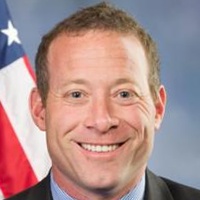
Josh Gottheimer
Representative
NJ-5
Leo’s Law aims to support the development of treatments for rare diseases by extending market exclusivity periods for certain orphan drugs. This legislation provides a 180-day extension to compensate for development delays caused by the COVID-19 pandemic.
Leo’s Law Extends Drug Monopoly Periods by 180 Days to Offset Pandemic Delays
Leo’s Law grants pharmaceutical companies a six-month extension on their exclusive rights to sell certain rare-disease treatments, known as orphan drugs. Specifically, any drug designated for a rare disease that started its clinical trial process between December 1, 2019, and the tail end of the COVID-19 emergency period is eligible for an extra 180 days of market protection. This 180-day buffer applies to several layers of legal shields, including the 12-year exclusivity for biological products and the 7-year window for orphan drugs, effectively pushing back the date when cheaper generic or biosimilar versions can hit the pharmacy shelves.
The Six-Month Standoff
Under Section 2, the bill targets drugs that have no approved uses outside of rare diseases—meaning these are highly specialized medicines. For a patient managing a rare condition with a biological product, the standard 12-year wait for a lower-cost biosimilar (per 42 U.S.C. 262(k)(7)(A)) just became 12 and a half years. While six months might sound like a blip in a decade-long cycle, for a family paying thousands of dollars out-of-pocket for a specialized infusion, that’s an extra half-year of monopoly pricing. The bill aims to make up for the time researchers lost when labs were shuttered or clinical trials were paused during the pandemic, ensuring the original "incentive" for developing these niche drugs remains intact.
Impact on the Pharmacy Counter
The real-world friction here happens at the intersection of innovation and affordability. Consider a small business owner whose employee relies on a high-cost orphan drug; the company’s health insurance premiums are directly tied to these costs. By extending patent-related approval delays and exclusivity periods (under 21 U.S.C. 355), the bill keeps generic manufacturers on the sidelines longer. While this provides a financial safety net for the biotech firms that kept their research moving during the chaos of 2020, it simultaneously delays the price drop that usually occurs when competition enters the market. It’s a classic trade-off: protecting the investment of the creator versus lowering the bill for the consumer.
Immediate Implementation
One of the most striking parts of this legislation is its "Effective Date" provision. The extensions kick in the moment the bill is enacted, regardless of whether the FDA has finished writing the formal rules or guidance. This means the 180-day clock starts ticking immediately for any eligible drug that hasn't already seen its exclusivity expire. For generic manufacturers who may have been planning a product launch for late next year, this could mean a sudden, mandatory 180-day pause on their plans, potentially disrupting the supply chain for more affordable alternatives.