The Closing the Provider Fraud Gap Act mandates a GAO study to evaluate and improve fraud prevention measures within federal early childhood education, child care, and nutrition programs.
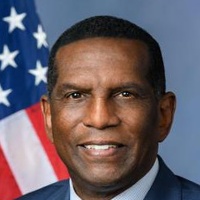
Clarence "Burgess" Owens
Representative
UT-4
The Closing the Provider Fraud Gap Act of 2026 mandates a comprehensive GAO study to evaluate fraud prevention measures within federal early childhood education, child care, and nutrition programs. This legislation aims to assess the effectiveness of current oversight and data usage in identifying provider-related fraud. Ultimately, the resulting report will provide Congress with actionable recommendations to strengthen program integrity and accountability.
Closing the Provider Fraud Gap Act Mandates Two-Year GAO Audit of Federal Child Care and Nutrition Programs
The Closing the Provider Fraud Gap Act of 2026 orders the Government Accountability Office (GAO) to launch a deep-dive investigation into how federal money for early childhood education and nutrition is being protected from bad actors. Specifically, the bill targets the Head Start program, the Child and Adult Care Food Program, and the Child Care and Development Block Grant. Within two years of the bill becoming law, the GAO must hand over a comprehensive report to Congress detailing whether current safeguards are actually working or if the system is leaving the door open for provider-related fraud (Section 2).
Auditing the Paper Trail
This isn't just a surface-level check-in. The bill requires the GAO to analyze whether the federal government is even collecting the right data to spot red flags in the first place. For a busy parent or a taxpayer, this matters because it looks at the 'plumbing' of these programs—checking if the data flows are sufficient to identify suspicious patterns before money disappears. The study will specifically look at the effectiveness of current procedures and whether the government is using its digital tools effectively to catch providers who might be overbilling or misrepresenting their services.
Local Oversight and Accountability
A major focus of this legislation is the Child Care and Development Block Grant, particularly in states that hand off the day-to-day management to counties or local municipalities. The GAO is tasked with looking at 'program integrity results' for these decentralized systems to see if things are falling through the cracks when oversight is moved further away from the federal level. If a state has already tried to fix its own fraud issues with a 'corrective action plan,' the GAO has to measure if those plans actually produced results or were just more paperwork (Section 2(a)(3)).
From Research to Reform
The end goal of this two-year study is a set of regulatory or legislative recommendations delivered directly to the House Committee on Education and Workforce and the Senate Committee on Health, Education, Labor, and Pensions. For everyday people, this means the bill acts as a diagnostic tool. It’s designed to identify where the 'fraud gap' exists so that future laws can tighten the screws on dishonest providers. By focusing on provider-related fraud rather than the families receiving the benefits, the bill aims to ensure that every dollar intended for a child’s lunch or preschool spot actually reaches them instead of being diverted into a fraudulent provider’s pocket.