This bill expands the Radiation Exposure Compensation Act to provide eligibility for health benefits to Pacific Islanders, Guam residents, and Enewetak Atoll cleanup veterans affected by atmospheric nuclear testing.
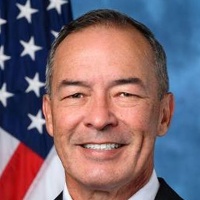
James (Jim) Moylan
Representative
GU
The Parity for Pacific Radiation Survivors Act expands the Radiation Exposure Compensation Act to provide long-overdue recognition and support for individuals affected by atmospheric nuclear testing in the Pacific. This legislation extends eligibility for compensation to residents of Guam, participants in the Enewetak Atoll radiological cleanup, and others exposed to radiation during specific timeframes. Additionally, the bill updates the list of covered conditions to include renal disease, ensuring more survivors can access the benefits they deserve.
Pacific Radiation Survivors Act Expands Compensation to Guam Residents and Enewetak Cleanup Veterans
The Parity for Pacific Radiation Survivors Act fundamentally rewrites the eligibility rules for the Radiation Exposure Compensation Act (RECA), finally bringing Guam and specific military cleanup crews into the fold for federal health compensation. For decades, RECA has provided financial redress to individuals who developed serious illnesses after being exposed to radiation during atmospheric nuclear testing. This bill formally recognizes Guam as an affected location for testing that occurred between 1946 and 1992, acknowledging that the fallout didn't respect geographic boundaries. By specifically naming Guam in Section 2, the bill opens a door for residents who have previously been excluded from these federal benefits.
Expanding the Safety Net
The legislation significantly broadens who can file a claim for leukemia and other specified diseases. Under Section 3, eligibility now covers anyone physically present in the affected Pacific areas for at least one year between July 1, 1946, and November 6, 1992, or during the intensive testing window in 1962. This isn't just for residents; it also specifically targets the 'forgotten' veterans of the Enewetak Atoll radiological cleanup. If a service member was on the ground between May 1, 1977, and May 31, 1980, to help clean up the aftermath of nuclear blasts, they are now eligible for the same compensation as those present during the actual explosions.
New Protections and Real-World Impact
In a move that reflects modern medical understanding, Section 4 of the bill adds 'renal disease' to the list of compensable conditions. Previously, the law focused heavily on cancers like leukemia and lymphomas, but this change recognizes that radiation exposure can cause long-term kidney failure and other renal issues. For a veteran who spent months shoveling irradiated soil in the late 70s and is now facing mounting dialysis costs, this change is a massive shift from being 'on your own' to receiving federal support. It moves the needle from a narrow focus on immediate blast survivors to a more comprehensive look at the long-term health of those who lived and worked in the fallout zones.
Implementation and Fiscal Reality
Because this bill uses very specific dates and geographic coordinates—such as the precise three-year window for the Enewetak cleanup—the rollout is designed to be straightforward for the Department of Justice to administer. There is little room for 'gray area' interpretation, which usually means faster processing for claimants. While this expansion will inevitably increase federal spending as more survivors and their families become eligible for payouts, the bill treats this as a necessary debt payment for the environmental and human costs of the Cold War era. For the families in Guam and the aging veterans of the Pacific tests, the bill represents a transition from historical footnote to recognized survivor.