This bill, the Friends in the Field Act, adds biological pest control to the list of high-priority research and extension areas under the Food, Agriculture, Conservation, and Trade Act of 1990.
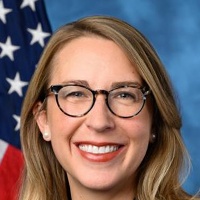
Hillary Scholten
Representative
MI-3
This bill, the Friends in the Field Act, amends existing law to designate biological pest control as a high-priority area for agricultural research and extension. It authorizes the use of grants to support the development and dissemination of information on biological pest control methods. The goal is to reduce crop damage and food-borne illnesses through these natural approaches.
Friends in the Field Act Elevates Biological Pest Control to High-Priority Research Status for 2024.
The Friends in the Field Act aims to modernize how we protect our food supply by officially adding biological pest control to the federal list of high-priority research and extension areas. By amending Section 1672(d) of the Food, Agriculture, Conservation, and Trade Act of 1990, the bill shifts federal focus toward using nature to fight nature—think using beneficial insects or microorganisms instead of relying solely on chemical sprays. This change allows the government to funnel research and extension grants specifically into developing new biological methods, creating educational materials for farmers, and launching outreach programs to get these tools into the hands of people working the land.
Nature’s Security Detail
This bill isn't just about academic curiosity; it’s about practical tools for the people growing our food. Under Section 2, the newly available grants can be used for research and development that helps limit crop damage and, more importantly, reduces food-borne illnesses. For a commercial grower dealing with a persistent aphid problem or a small-scale organic farmer, this means more accessible data and potentially new, cost-effective ways to protect their harvest without the heavy regulatory or safety overhead often associated with synthetic pesticides. It’s a move toward building a more resilient agricultural toolkit that mirrors how ecosystems naturally keep themselves in balance.
From the Lab to the Lunchbox
The real-world impact of this legislation stretches from the tractor seat to the grocery aisle. By prioritizing biological controls, the bill encourages the development of solutions that can be safer for the workers applying them and for the families buying the produce. For instance, if a research project funded by these grants discovers a specific fungus that targets pests without harming bees or humans, that’s a win for both the environment and food safety. The bill specifically mandates that these programs focus on "information and outreach," ensuring that when researchers find something that works, they don't just publish it in a dense journal—they actually teach farmers how to use it effectively on their own acreage.