This act prohibits the use of federal education funds to develop or promote programs or materials for minors that contain sexually oriented material, with specific exceptions for standard science, religious texts, classic literature, and classic art.
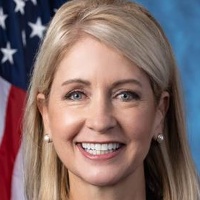
Mary Miller
Representative
IL-15
The Stop the Sexualization of Children Act prohibits the use of federal education funds to develop or promote programs, activities, or materials for minors that include sexually oriented material. This restriction specifically targets content exposing children to nudity, stripping, or lewd dancing. The bill carves out exceptions for standard science coursework, classic literature, classic art, and major world religious texts.
Proposed Education Funding Ban Targets 'Sexually Oriented' Content: Broad Restrictions on School Materials and LGBTQ+ Topics
The 'Stop the Sexualization of Children Act' seeks to fundamentally change how federal education dollars are spent by prohibiting funds for any program, activity, or literature for minors that includes 'sexually oriented material.' This isn't just about explicit content; the bill specifically expands this definition to include any material involving gender dysphoria or transgenderism. If a school uses federal funds to host a speaker or buy books that fall under these broad categories, they risk losing their federal financial support. While the bill aims to shield children from adult content, its wide-reaching definitions create a new landscape for what can be discussed in a classroom setting.
The New Definition of 'Classic'
To avoid accidentally banning the entire library, the bill creates a 'safe harbor' for specific works, but the list is surprisingly rigid. Under Section 2, 'classic works of art' are strictly limited to those found in the 2019-2020 Smarthistory guide to AP Art History, and 'classic literature' is defined by the Great Books of the Western World and two specific articles from a private company called Compass Classroom. For a teacher, this means that while a Renaissance painting in a specific textbook is safe, a modern masterpiece or a contemporary award-winning novel not on these specific lists could trigger a funding violation if it’s deemed to have 'sexually oriented' themes. This creates a narrow 'approved' list that doesn't leave much room for diverse or modern perspectives in the arts.
Impact on Health and Identity
The most significant shift for students and parents lies in the bill’s treatment of gender identity. By labeling any material involving 'gender dysphoria or transgenderism' as sexually oriented, the legislation effectively bars federal funding from being used for LGBTQ+ inclusive curricula or support programs. For a high school student seeking resources on gender identity, or a teacher trying to explain modern social issues, these provisions could lead to a 'silent' curriculum where certain topics are simply erased to protect the school's budget. This could also complicate standard health or social studies lessons that touch on the history of civil rights or modern medical science, as schools may err on the side of caution to avoid the 'lewd or lascivious' label.
Science and Religion Exceptions
There is a 'Rule of Construction' meant to protect standard academic subjects, ensuring that biology, anatomy, and the texts of major world religions aren't caught in the crosshairs. However, because the bill is highly vague regarding where 'human anatomy' ends and 'sexually oriented material' begins, school administrators may face a compliance nightmare. For example, a health textbook explaining puberty or reproductive health might be safe under the science exception, but if that same book discusses transgender healthcare, it could be flagged under the gender dysphoria prohibition. This leaves local schools in a difficult position: trying to provide a modern education while navigating a complex web of federal restrictions that rely on outside reading lists and broad definitions of 'sexually oriented' conduct.