This bill establishes a one-year pilot program requiring notification to Congress regarding additional funding requests for certain foreign assistance programs managed by the Bureaus for African Affairs and Counterterrorism.
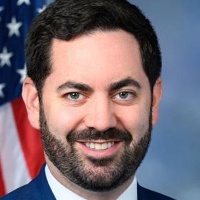
Michael Lawler
Representative
NY-17
The Transparency in Foreign Assistance Act establishes a one-year pilot program to increase congressional oversight of certain foreign assistance. This program requires key State Department officials to notify Congress with detailed information whenever specific programs in Africa or counterterrorism efforts require additional funding. The goal is to ensure transparency regarding the use and scope of these funds.
New Transparency Act Requires Detailed Receipts for Foreign Aid: Pilot Program Launches One-Year Oversight Push.
The Transparency in Foreign Assistance Act is essentially a one-year trial run for better bookkeeping in Washington. It targets two specific offices—the Bureau of African Affairs and the Coordinator for Counterterrorism—and tells them that if they need more money for a project, they can't just ask for a check; they have to show their work. This bill sets up a pilot program requiring these officials to provide a granular breakdown to Congress whenever a program needs funding beyond its current budget. It is designed to turn the 'black box' of foreign aid into a transparent ledger that lawmakers can actually audit.
The Itemized Receipt Requirement
Under Section 2, the government can't just say they need a few million dollars for 'regional stability.' They have to provide a specific 'working name' for the program, name the countries involved, and identify exactly who is getting the money—whether it is a private contractor, a non-profit grant, or another agency. For a project manager at a U.S. tech firm or a local contractor, this is familiar territory: it is the difference between an 'estimated cost' and a 'final invoice.' The bill requires the total cost over the program’s entire life, the expected timeframe for the new funds, and a clear list of objectives. If a program is significantly over budget or behind schedule (what the bill calls a 'significant underspend or overspend'), the officials have to flag that and explain if they have put a 'performance improvement plan' in place.
Accountability in Action
This legislation matters because it attempts to bridge the gap between high-level diplomacy and practical management. For example, if a counterterrorism program in West Africa is struggling to meet its goals, this bill ensures that the House and Senate committees responsible for the purse strings see the red flags before more money is committed. By requiring a description of consultations with the 'chief of mission' (the top diplomat on the ground), the bill ensures that the people actually living in the region have a say in whether the program is working. It is a move toward the kind of 'straight-shooting' accountability most of us expect in our own jobs—if a project is failing, you don't just get more funding; you get a performance review.
The One-Year Test Drive
Because this is a pilot program, its impact is immediate but temporary. It focuses on the 'Appropriate Congressional Committees'—specifically Foreign Affairs and Appropriations in both the House and Senate—giving them the data they need to decide which programs are worth the taxpayer’s investment and which are just sinking money into a void. While it doesn't change the amount of aid being sent, it changes how much we know about it. For the average person concerned about where their tax dollars go once they leave U.S. soil, this bill offers a rare look at the fine print of international spending, ensuring that 'extra funding' comes with extra explanation.