The SHADOW Act establishes diplomatic requirements and a new State Department Coordinator to counter hybrid warfare threats against U.S. interests and mandates a report on Chinese entities materially supporting Russia's defense industrial base.
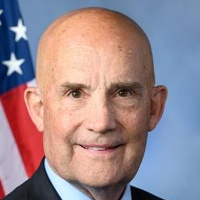
Keith Self
Representative
TX-3
The SHADOW Act aims to strengthen U.S. defense against hybrid warfare by requiring the State Department to assess threats and enhance diplomatic engagement with allies, particularly NATO. It establishes a new Coordinator for Hybrid Warfare Accountability to oversee information sharing and coordinate response strategies against threats from actors like China and Russia. Furthermore, the bill mandates a report identifying Chinese entities materially supporting Russia's defense industrial base and recommending appropriate countermeasures.
SHADOW Act Targets Hybrid Warfare: New State Department Coordinator to Tackle Cyber Attacks and Infrastructure Sabotage by 2025.
The SHADOW Act is designed to modernize how the U.S. defends itself against 'hybrid warfare'—a fancy term for the messy, non-traditional ways countries like Russia and China exert pressure without necessarily firing a shot. Think of it as the 'everything but the kitchen sink' approach to conflict, involving cyber-attacks on our power grids, disinformation campaigns on our social feeds, and even the weaponization of migration flows to cause chaos. The bill requires the Secretary of State to treat these threats as a top-tier foreign policy priority and mandates a new level of teamwork with our NATO allies to set 'red lines' for what kind of digital meddling will trigger a response.
A New Point Person for the Gray Zone
One of the biggest moves in Section 3 is the creation of a Coordinator for Hybrid Warfare Accountability. This person isn't just another bureaucrat; they have 30 days to get to work identifying gaps in how we understand these sneaky threats. For a software developer in Seattle or a power plant operator in Ohio, this matters because the bill specifically focuses on protecting 'vulnerable sectors' like telecommunications and energy. The Coordinator is tasked with helping allies build resilience, which basically means making sure the digital and physical infrastructure we all rely on—like undersea internet cables or the regional power grid—is harder to sabotage or manipulate from abroad.
Tracking the Money and the Tech
Section 4 of the bill gets very specific about the 'nexus' between Chinese companies and the Russian military. Within 180 days, the government has to name names, identifying Chinese entities that are propping up Russia’s defense industry. If you work in international trade or for a tech company, this is where the rubber meets the road: the bill requires recommendations for sanctions and export controls. This could mean certain companies suddenly find themselves on a 'no-business' list, which ripples through global supply chains and affects everything from the price of raw materials to which vendors a local business is allowed to use.
Defining the New Rules of Engagement
The bill defines 'hybrid warfare' broadly, covering everything from targeted assassinations to economic coercion. While this helps the government stay flexible, the 'Medium' vagueness in the text means the definition of 'economic manipulation' could be interpreted in many ways. For everyday people, the goal is to prevent the kind of sudden economic shocks or infrastructure failures that happen when a foreign power decides to turn the screws. By forcing the State Department to publish unclassified reports on these threats, the bill aims to give the public—and the businesses we work for—a clearer heads-up on the risks hiding in the shadows of the digital age.