This bill mandates the State Department to develop a strategy for mitigating security risks posed by European academic institutions' relationships with specified Chinese entities of concern.
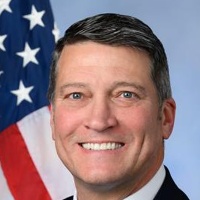
Ronny Jackson
Representative
TX-13
This Act mandates the State Department to develop a comprehensive strategy to identify and mitigate security risks posed by relationships between European academic institutions and specific Chinese entities of concern. The strategy must assess the scope of these entities' activities in Europe and recommend diplomatic actions to safeguard U.S. foreign policy interests. This measure aims to counter foreign malign influence and protect transatlantic academic and research integrity.
Transatlantic Academic Security Act Mandates Strategy to Probe European-Chinese Research Ties Within 180 Days
The Transatlantic Academic Security and Risk Mitigation Act is essentially a high-stakes deep dive into the business of international research. It requires the State Department to deliver a comprehensive strategy within six months that maps out exactly how European universities and labs are partnering with specific Chinese organizations. The goal is to identify and curb potential threats to U.S. foreign policy that might be hiding in plain sight within academic collaborations across the Atlantic. This isn't just a simple list; it’s a mandate to evaluate the scale of these relationships and figure out how to get European governments to tighten their own security protocols.
The Watchlist for Campus Partnerships
The bill casts a wide net by defining "covered entities of concern" with significant detail (Section 2). This includes Chinese organizations involved in military-civil fusion, those affiliated with China's defense industry, or groups that have participated in foreign talent recruitment programs over the last decade. For a research scientist in Berlin or a tech developer in Paris, this means their long-term project with a Chinese academy could suddenly be flagged as a national security risk. The bill even covers entities that support student groups or cultural centers on campus if they are deemed to be engaging in "foreign malign influence."
Diplomatic Pressure and Research Reality
This strategy will likely change the vibe of international academic exchange. Under Section 2, the State Department must provide recommendations for diplomatic engagement to mitigate these risks. Imagine you’re a graduate student working on a joint robotics project funded by a European grant; if your partner institution in China falls under these broad definitions—like being affiliated with the Chinese Academy of Sciences—your project could become a talking point in high-level diplomatic negotiations. The bill aims to protect U.S. interests, but the broad criteria for what constitutes a "threat"—including anything that might "undermine U.S. relations with Taiwan"—leaves a lot of room for interpretation that could complicate legitimate scientific progress.
Navigating the Gray Zones
Because the bill’s definitions are so broad, there is a real chance of "over-tagging" research that is actually harmless. While the bill seeks to stop the transfer of sensitive defense tech, it also gives the Under Secretary of State the power to include "any other relevant matters" they see fit. For the average person, this might feel like inside-baseball foreign policy, but it directly impacts the global talent pool. If European institutions start cutting ties to avoid U.S. diplomatic friction, it could slow down collaborative breakthroughs in areas like medicine or green energy that rely on global cooperation. It’s a classic balancing act: trying to lock the door against bad actors without accidentally locking out the innovators.