The End Sanctuary Cities Act of 2026 establishes federal criminal penalties for state and local officials who obstruct immigration enforcement by restricting the release of information regarding criminal aliens.
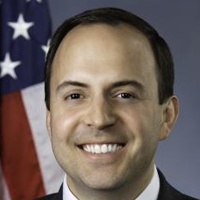
Lance Gooden
Representative
TX-5
The End Sanctuary Cities Act of 2026 establishes a new federal crime for state and local officials who knowingly obstruct federal immigration enforcement requests regarding the release of criminal aliens. The bill mandates that officials provide reasonable advance notice to the Department of Homeland Security before releasing such individuals. Violations of this act carry significant criminal penalties, including fines and imprisonment, based on the severity of the underlying crime committed by the alien.
New Federal Law Threatens Local Officials with 25-Year Prison Terms for Blocking Immigration Detainers
The End Sanctuary Cities Act of 2026 creates a new federal crime specifically for state and local government leaders who interfere with federal immigration enforcement. Under this bill, the 'responsible executive official'—think a mayor, a county supervisor, or a high-ranking police commissioner—could face serious jail time for enforcing local 'sanctuary' policies. Specifically, it becomes illegal to knowingly restrict or prohibit local staff from giving the Department of Homeland Security (DHS) at least 48 hours' notice before a non-citizen charged with or convicted of a crime is released from local custody. This isn't just a slap on the wrist; it’s a direct federal mandate backed by the threat of felony charges for the people running your local government.
The High Stakes of Local Policy
The penalties under Section 2 are tiered based on the criminal record of the person being released. If a local official’s policy leads to the release of a non-citizen convicted of a serious violent felony without notifying DHS, that official faces 5 to 10 years in federal prison. If the individual was convicted of murder, rape, or a sex offense against a minor, the local official could be locked up for 10 to 25 years. For any other crime, including minor offenses, the penalty is a fine and up to six months in jail. For a city manager or a sheriff, this means their career and freedom are now directly tied to how quickly their administrative staff can process paperwork and notify federal agents about every non-citizen in their jail system.
Real-World Friction for Cities and Towns
In practice, this bill forces local jurisdictions to prioritize federal immigration logistics over their own local policies. Imagine a local police chief in a city that has spent years building trust with immigrant neighborhoods to encourage residents to report crimes. Under this law, that chief can no longer maintain a policy that separates local policing from federal immigration enforcement without risking a decade in prison. This creates a massive administrative burden for local jails, which must now ensure they provide 'reasonable advance notice'—defined as at least 48 hours—for releases. If a court suddenly orders a defendant’s release or if a bail is posted unexpectedly, local officials might find themselves in a legal gray area where providing that 48-hour window is physically impossible, yet failing to do so could trigger a federal investigation.
Accountability or Overreach?
While the bill aims to ensure that federal authorities can take custody of non-citizens with criminal records before they disappear into the community, it places the entire burden of that coordination on local taxpayers and officials. There is no provision in the bill for federal funding to help cities manage this 24/7 reporting requirement. Instead, it uses the criminal justice system to coerce compliance. For the average resident, this could mean seeing local tax dollars diverted from neighborhood patrols to administrative compliance and legal defense funds. It also sets a significant precedent: federal law directly criminalizing the policy-making decisions of locally elected officials, potentially shifting the power dynamic between your city hall and the federal government.