This Act prohibits private individuals and organizations from falsely assuming government authority to conduct vehicle stops, demand identification, or interfere with federal operations, and establishes civil penalties for such actions.
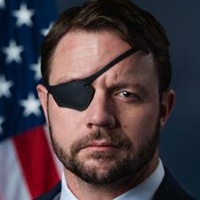
Dan Crenshaw
Representative
TX-2
This Act prohibits private individuals and organizations from falsely assuming government authority to conduct vehicle stops, demand identification, or conduct surveillance resembling law enforcement activities. It establishes federal criminal penalties for engaging in these unauthorized actions that interfere with federal operations. Furthermore, the legislation creates a civil right of action allowing harmed individuals to sue those responsible for these vigilante checkpoints and unlawful demands.
New Federal Law Bans Private Roadside Checkpoints with $10,000 Minimum Penalty for Violators
The 'No Vigilante Checkpoints and Civil Rights Protection Act of 2026' draws a hard line between neighborhood watch and unauthorized law enforcement. This bill makes it a federal crime for private individuals or organizations to set up their own checkpoints, stop vehicles on public roads, or demand ID from others under the guise of enforcing immigration or federal laws. Specifically, Section 3 of the bill targets anyone who knowingly assumes government authority to interfere with federal operations, carrying a prison sentence of up to 5 years. If someone brandishes a firearm or causes an injury while doing this, that sentence jumps to 10 years. It’s a direct response to a rise in private groups taking it upon themselves to patrol public spaces and monitor license plates without any legal badge to back them up.
Taking the Law Into Your Own Hands
Under this legislation, the days of 'citizen checkpoints' are legally numbered. If you’re driving to work or running errands, no private citizen has the right to pull you over or demand to see your papers just because they’ve decided to monitor a public roadway. The bill specifically prohibits the unauthorized use of license plate readers or surveillance systems intended to track people for law enforcement purposes (Section 3). For a regular person—whether you're a delivery driver or a parent on a school run—this means your right to move freely on public roads without being harassed by self-appointed 'officers' is backed by federal muscle. It clarifies that while you can still protest or assemble peacefully, you cannot play-act as a border agent or a police officer.
The Price of Playing Police
What makes this bill particularly sharp is how it handles accountability through 'private rights of action.' If a group stops you illegally, Section 4 allows you to sue them in federal court for a minimum of $10,000 in statutory damages—even if you can’t prove you suffered a specific financial loss. This isn't just about the individuals on the road; you can also sue the organizations that financed or coordinated the activity. Even local government entities could be on the hook if they knowingly allowed these checkpoints to happen on public property and didn't step in to stop them. By removing the 'qualified immunity' defense (which usually protects government workers from lawsuits), the bill ensures that anyone acting like a cop without a badge faces full personal and financial liability.
Real-World Accountability
For the average person, this bill acts as a shield against intimidation. Imagine a small business owner whose customers are being scared off by a group of armed civilians checking IDs in the parking lot or on the main road into town. Under this law, that business owner or the harassed customers could take those individuals—and the group funding them—straight to court. While the bill is clear that it doesn't stop legal free speech, it creates a massive financial and criminal risk for anyone who crosses the line from 'observing' to 'enforcing.' It’s a significant shift that puts the power back into the hands of the public to hold vigilante groups accountable through the wallet and the justice system.