The HILTON Act prohibits federal agencies from contracting with companies that have refused service to federal law enforcement officers based on their official duties within the past year.
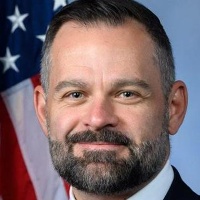
Cory Mills
Representative
FL-7
The Halting Inappropriate Limits Targeting Officers Now (HILTON) Act prohibits federal agencies from contracting with companies that have refused service to a federal law enforcement officer due to their official duties within the past year. This restriction applies to essential services like lodging, transportation, and healthcare, though waivers are permitted under specific circumstances. The bill treats all commonly controlled corporate entities as a single entity for enforcement purposes.
HILTON Act Bans Federal Contracts for Businesses That Refuse Service to Law Enforcement Officers
The Halting Inappropriate Limits Targeting Officers Now (HILTON) Act introduces a strict 'no-refusal' rule for companies doing business with the federal government. Under this bill, any federal agency is prohibited from signing a contract for services—ranging from hotel rooms and rental cars to food and healthcare—if that company has refused service to a federal law enforcement officer because of their job within the last year. This isn't just about the specific branch that got snubbed; if one subsidiary of a major corporation turns an officer away, the entire corporate family could find themselves blacklisted from federal taxpayer dollars.
The Service Blacklist
The bill casts a wide net on what counts as a 'covered service.' We are talking about the essentials: lodging, transportation, food and beverages, healthcare, vehicle rentals, and even storage units (Section 2). Imagine a local catering company or a national hotel chain. If they have a policy—or even a single documented instance in the past 12 months—of denying service to an officer on duty, they are effectively disqualified from federal contracts. For a business owner, this means a single front-desk dispute could jeopardize a massive government service agreement that keeps their staff employed.
The 50-Mile Safety Valve
There are two main ways out of this ban, but they come with a bit of a 'gray area.' A federal agency head can issue a waiver if there is no other company within a 50-mile radius that can provide a 'comparable necessary service' (Section 2). This is a big deal for rural areas. If the only mechanic for 50 miles refused to fix a Ranger’s truck, the government can still contract with them if there’s no other choice. However, the bill doesn’t strictly define what 'comparable' means. Does a luxury hotel have to be replaced by another luxury hotel, or does a budget motel count? That ambiguity leaves a lot of power in the hands of agency heads to decide who gets a pass.
Corporate Consequences and Cleanups
The bill also holds parent companies accountable for their subsidiaries. If a local branch of a national rental car agency denies an officer, the whole corporation is on the hook unless the parent company takes 'sufficient remedial action' (Section 2). The catch here is that the bill doesn’t say what 'sufficient' looks like. Does the manager get fired? Does the company just issue a memo? This vagueness could lead to inconsistent enforcement, where some companies get away with a slap on the wrist while others lose millions in contracts for the same mistake. For the average person, this might mean seeing changes in store policies as companies scramble to ensure they don't accidentally lose their federal eligibility over a single employee's decision.