The Kids Need Lunch Act establishes universal free school lunches for all students and creates a federal program to reimburse schools for existing meal debt while prohibiting future debt collection.
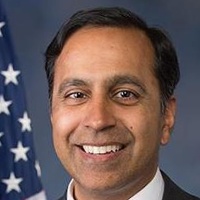
Raja Krishnamoorthi
Representative
IL-8
The Kids Need Lunch Act establishes universal free school lunches for all students in participating schools and creates a federal program to reimburse schools for existing unpaid meal debt. The bill also permanently prohibits schools from collecting any future unpaid lunch charges from students or families. These provisions will take effect one year after the Act is signed into law.
Kids Need Lunch Act Guarantees Universal Free School Meals and Wipes Out Student Debt Starting in 2025
The Kids Need Lunch Act is a major overhaul of the school cafeteria, effectively turning the 'free lunch' into a universal standard for every student, regardless of their parents' tax bracket. Under Title I, Section 102, the bill removes income-based eligibility, meaning if a school participates in the program, every kid enrolled gets a meal at no cost. To keep the lights on in the kitchen, the bill sets a national average payment rate of $4.86 per meal (Section 101), which will be adjusted for inflation every year starting in 2027. For a family with two kids, this could mean saving roughly $150 to $200 a month on grocery and lunch costs, while eliminating the paperwork headache of annual income verification forms.
Clearing the Tab
Beyond just future meals, Title II of the bill takes a hard look at the 'lunch shaming' and debt cycles currently affecting many families. Section 201 requires the USDA to establish a program within 60 days to fully reimburse schools for all existing 'delinquent debt'—the unpaid balances parents currently owe. Schools have to be paid back within 180 days, ensuring that local districts aren't left holding the bag for meals already served. For a school administrator, this is a massive balance sheet win; for a parent who has been stressed about a growing $50 or $100 balance, it’s a total clean slate.
No More Collections
One of the most immediate changes is found in Section 202, which takes effect the moment the bill is signed. It flatly prohibits any participating school from ever trying to collect unpaid lunch debt from families again. This effectively ends the practice of sending debt to collections or withholding diplomas over cafeteria balances. While the universal free lunch provisions take a year to fully kick in (as per Section 2), this debt collection ban acts as an immediate shield for families currently struggling with past-due accounts.
Inflation and Implementation
To ensure the program doesn't stall out as food prices rise, Section 103 sets the price for 'paid lunches' (for any programs outside the free mandate) at $3.81 for the 2025-2026 school year, with a strict formula tied to the Consumer Price Index. The bill also tasks the Comptroller General with checking under the hood—requiring a report within two years to see if the reimbursement program is actually working or if schools are hitting bureaucratic snags. While the bill simplifies things for parents, the real-world challenge will be on the USDA and state agencies to process thousands of debt reimbursement claims in the 180-day window required by the text.