This Act establishes the Older Workers Bureau within the Department of Labor to research, develop policy, and administer grants addressing the unique challenges faced by workers aged 55 and older.
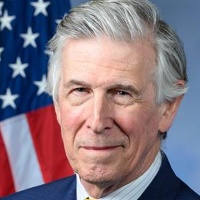
Donald Beyer
Representative
VA-8
This bill establishes the **Older Workers Bureau** within the Department of Labor to address the unique challenges faced by workers aged 55 and older. The Bureau will investigate issues like age discrimination, access to training, and retirement security. It is tasked with developing policy recommendations and administering research and anti-ageism grant programs to promote productive employment opportunities for older Americans.
New Federal Bureau to Tackle Ageism and Retirement Gaps with $10 Million Annual Grant Program for Older Workers
The Older Workers’ Bureau Act establishes a dedicated office within the Department of Labor specifically focused on the economic and professional needs of Americans aged 55 and older. This new Bureau, led by a Presidentially appointed Director, is tasked with investigating the unique hurdles this demographic faces, from the 'silver ceiling' of age discrimination to the way new tech can leave experienced workers in the dust. Beyond just studying the problem, the Bureau is required to roll out a $10 million annual grant program starting after 2027 to fund research and local initiatives that help older employees keep their jobs or find new ones.
A Safety Net for the Silver Workforce
This bill isn't just about high-level policy; it’s a response to some pretty stark numbers. Congress found that while over 2 million older workers are expected to join the labor force in the next decade, many are struggling, with the poverty rate for this group jumping to 15% recently. For a woman over 55 earning less than $17.37 an hour, or a tradesman whose body is feeling the wear and tear of decades on the job, the Bureau is mandated to look into better access to the Family and Medical Leave Act (FMLA) and workplace flexibility. Under Section 4, the Director must specifically research how to bridge the gap between 'prime-age' wages and the paychecks of older workers to ensure experience actually pays off.
Putting Money Where the Experience Is
The real-world teeth of this legislation come from the grant programs established in Sections 5 and 6. The Bureau will hand out competitive grants to 'covered institutions'—which includes everyone from local nonprofits and labor unions to private employers—to create training programs specifically for disadvantaged older workers. If you’re living in an area where there are currently zero job-training resources for seniors, this bill gives those locations priority. The goal is to move past 'structural ageism' by funding programs that help a 60-year-old transition from a physically demanding role to a tech-enabled one without losing their financial security.
Navigating the Bureaucratic Blueprint
While the bill sets a strict one-year deadline to get the Bureau operational, the actual impact will depend on how well this new office plays with others. The legislation requires the Director to coordinate with heavy hitters like the Social Security Administration and the EEOC to make sure retirement readiness isn't just a buzzword. One potential hurdle is the broad definition of who can receive grant money; since 'employer associations' and 'other institutions' are eligible, the Bureau will need to be sharp to ensure the $10 million goes to effective programs rather than just adding another layer of red tape. For the millions of workers who can’t afford to retire or simply want to keep contributing, this Bureau represents a formal recognition that their place in the modern economy needs a dedicated advocate.