The HEALTH Panel Act establishes a panel of health experts within the Congressional Budget Office to provide technical guidance and improve the accuracy of health-related cost estimates and policy analyses.
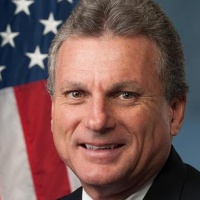
Earl "Buddy" Carter
Representative
GA-1
The HEALTH Panel Act establishes a 15-member Panel of Health Advisors within the Congressional Budget Office (CBO) to provide expert guidance on health-related studies, cost estimates, and economic models. This bipartisan panel will offer technical expertise to improve the accuracy and transparency of the CBO’s health policy analysis. The group is required to meet annually and submit reports detailing their recommendations and the CBO's subsequent actions.
New HEALTH Panel Act Adds 15 Experts to CBO to Sharpen Healthcare Cost Projections and Policy Analysis
The Healthy Equipping And Lending Technical Help (HEALTH) Panel Act creates a new 15-member Panel of Health Advisors within the Congressional Budget Office (CBO). These advisors, appointed within 90 days of the bill becoming law, will provide technical expertise to help the CBO improve its cost estimates, economic models, and studies regarding healthcare legislation. The panel will consist of experts in fields like health finance, drug development, and Medicare, with members serving staggered three-year terms. They are required to meet at least once a year and must issue an annual public report detailing their recommendations and how the CBO actually used their input.
Refining the Price Tag
When Congress debates a new healthcare bill, they rely on the CBO to tell them how much it will cost and how many people will lose or gain insurance. If those numbers are off, it affects everything from your tax bill to the availability of certain medical treatments. By bringing in specialists from the private sector—like actuarial scientists who calculate risk or hospital managers who know why costs are rising on the ground—this bill aims to make those 'official' government numbers more accurate. For a small business owner trying to plan for next year's employee premiums, more accurate federal projections mean fewer surprises when national policy changes actually hit the ledger.
Who’s Picking the Experts?
The bill splits the power to appoint these 15 advisors between the CBO Director and the leadership of the House and Senate Budget Committees (Section 2). While this ensures a mix of perspectives, it also means the people doing the math on your healthcare could be influenced by who appointed them. The bill tries to balance this by requiring the CBO Director to pick a Chair and Vice Chair based on 'fitness to perform' rather than political party. However, because these advisors come from industries like pharmaceuticals and health insurance, there is a built-in tension: we need their insider knowledge to get the numbers right, but we also have to watch for industry bias. To handle this, the bill allows the CBO to set up public disclosure systems for potential conflicts of interest.
Transparency and the Paper Trail
One of the most practical parts of this bill is the requirement for an annual report that must be posted on the CBO’s public website. This isn’t just a summary of meetings; it must include a specific description from the CBO Director explaining exactly how the office used the panel's advice (Section 2, Duties and Reports). This creates a paper trail for the public and for workers in the healthcare industry—like nurses or clinic administrators—to see if the experts’ real-world recommendations are actually being listened to or if they’re just being filed away in a drawer. By forcing these technical discussions into the light, the bill aims to make the CBO’s influential 'scorekeeping' process more transparent to the people whose lives are affected by those scores.