The Housing for Heroes Act of 2026 expands the Good Neighbor Next Door Sales Program to allow members of the Armed Forces, firefighters, and law enforcement officers to purchase HUD-owned properties nationwide, regardless of location.
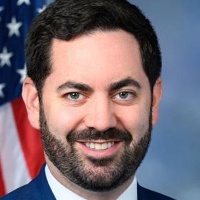
Michael Lawler
Representative
NY-17
The Housing for Heroes Act of 2026 expands the Good Neighbor Next Door Sales Program to include members of the Armed Forces, firefighters, and law enforcement officers. The bill removes geographic restrictions, allowing these professionals to purchase eligible single-unit properties regardless of their location in a designated revitalization area.
Housing for Heroes Act Opens HUD Home Discounts to All Neighborhoods for Vets and First Responders
The Housing for Heroes Act of 2026 significantly expands the Good Neighbor Next Door (GNND) Sales Program, a federal initiative that typically offers a 50% discount on the list price of homes owned by the Department of Housing and Urban Development (HUD). Under this bill, members of the Armed Forces, firefighters, and law enforcement officers gain full eligibility to purchase these single-unit properties. Most importantly, the bill strikes down the old requirement that these homes must be located in specific 'revitalization areas.' This means if HUD acquires a foreclosed property in a stable suburban cul-de-sac or a quiet city block, a qualifying service member can buy it, rather than being restricted to areas designated as economically distressed.
Breaking the Boundary Lines
Currently, the GNND program is a bit of a treasure hunt with very tight borders; you have to find a qualifying house in a specific zone that the government wants to boost. Section 2 of this bill changes the game by stating that properties must be made available 'without regard to whether the properties are located in a designated revitalization area.' For a police officer or a firefighter looking to live closer to their station or in a specific school district, this removes a massive bureaucratic hurdle. It effectively turns the entire map of HUD-owned foreclosures into a potential inventory for those who serve the community, potentially saving a young family tens of thousands of dollars on their mortgage.
From Policy to Front Door
To make this work, the Secretary of HUD is required to rewrite the existing rulebook (specifically amending part 291 of the Secretary's regulations) to match these new rules. For the end-user—say, a veteran returning to civilian life or a local EMT—the process remains tied to HUD’s inventory of single-unit homes. While this doesn't create new houses out of thin air, it gives these specific professionals 'first dibs' on existing government-owned inventory before they hit the general market. The real-world impact is a direct path to equity; by buying a home at a discount in a non-distressed area, these workers could see immediate wealth building that wasn't possible under the old, geographically restricted rules.